A well-designed kitchen should do more than look beautiful. It should make everyday cooking, entertaining, storage, and movement feel effortless. Premium German kitchens are particularly appealing because they combine clean architectural forms with careful planning, practical storage, high-quality materials, and attention to ergonomics. German kitchen design has long emphasized the relationship between function, architecture, and the user’s workflow.
For homeowners and interior designers looking to create a sophisticated contemporary interior, these 15 ideas offer a useful starting point.
1. Choose Handleless Cabinetry
Handleless cabinets create uninterrupted horizontal and vertical lines. They give a modern kitchen a calm, architectural appearance while reducing visual clutter.
For a particularly refined result, combine handleless doors with a restrained color palette and consistent cabinet proportions.
Pro Tip:
Choose high-quality opening mechanisms and durable finishes to maintain a seamless look over time. For busy households, consider combining handleless cabinets with easy-clean surfaces to balance aesthetics and practicality.
2. Make the Kitchen Island the Centerpiece
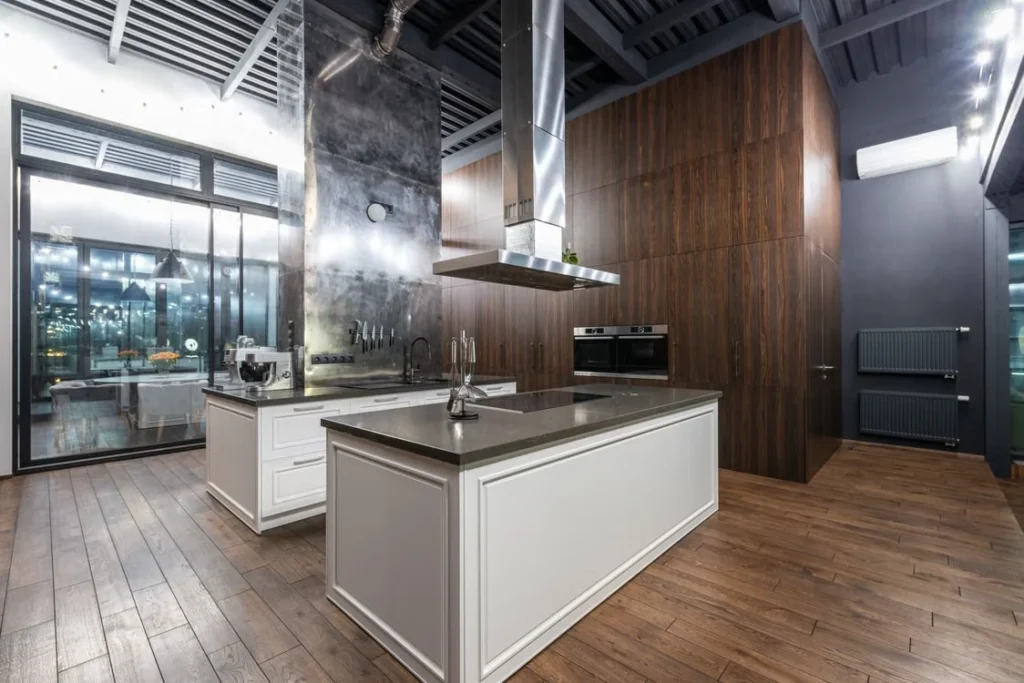
A substantial island can provide preparation space, storage, seating, and a social hub in one element.
For open-plan homes, consider a long island with integrated storage and a contrasting worktop. The island can become both a practical workstation and a visual anchor.
Pro Tip:
Before installing a large island, ensure there is enough circulation space around it. A well-planned island should improve workflow rather than restrict movement between cooking, storage, and dining areas.
3. Integrate Major Appliances
Integrated refrigerators, dishwashers, ovens, and other appliances can be concealed behind coordinated cabinetry.
This approach allows the kitchen to maintain a continuous furniture-like appearance. It is especially effective when the kitchen opens directly into a dining or living area.
Pro Tip:
Plan appliance locations early in the design process. Aligning appliances with cabinetry dimensions creates a more cohesive appearance and prevents visual interruptions in a modern kitchen layout.
4. Use Floor-to-Ceiling Storage
Tall cabinetry makes efficient use of vertical space while providing generous concealed storage.
Instead of filling the room with separate cabinets, create a single architectural wall containing appliances, pantry storage, and everyday essentials. This keeps work surfaces visually clean.
Pro Tip:
Use tall cabinets strategically for items that are not used every day, while keeping frequently accessed storage within easy reach. Combining open shelving with concealed storage can create a balanced design.
5. Introduce Natural Materials
Natural wood, stone, and other tactile finishes can soften the precision of minimalist cabinetry.
The combination of simple forms and authentic materials is a recurring principle in high-end German kitchen design. Premium manufacturers emphasize how carefully selected materials can complement both the architecture and the people using the space.
Pro Tip:
Select materials based on both appearance and maintenance requirements. Natural stone and wood can add character, but they should be chosen according to the home’s lifestyle and usage patterns.
6. Select Sophisticated Matte Finishes
Matte cabinetry can create a subtle, contemporary appearance without overwhelming the room.
Consider soft gray, warm white, taupe, charcoal, or muted earthy tones. Matte finishes work particularly well with natural wood and stone surfaces.
Pro Tip:
Test cabinet samples under different lighting conditions before making a final decision. Matte surfaces can appear different depending on natural light, artificial lighting, and surrounding materials.
7. Build Around a Neutral Color Palette
A neutral palette creates a timeless foundation for a premium interior.
Rather than using many competing colors, select one dominant cabinet color, one complementary material, and a carefully chosen accent. This allows architectural details and craftsmanship to remain the focus.
Pro Tip:
Add depth by combining different textures instead of introducing too many colors. For example, pairing matte cabinetry with wood grain or stone surfaces can create a sophisticated layered effect.
8. Add a Statement Worktop
The worktop can become the defining feature of a luxury kitchen.
Natural stone, sophisticated porcelain, or another high-quality surface can provide contrast against understated cabinetry. A dramatic island worktop is particularly effective when the surrounding cabinets remain visually quiet.
Pro Tip:
Treat the worktop as an investment feature. Choose a surface that complements the entire kitchen design while offering the durability required for daily cooking activities.
9. Connect the Kitchen to the Open-Plan Interior
Modern kitchens increasingly function as part of a larger living environment rather than as isolated workspaces.
Use matching flooring, complementary cabinetry, coordinated furniture, and consistent lighting to make the kitchen flow naturally into adjacent dining and living areas. German kitchen concepts have historically explored the kitchen as a broader living space, not simply a place for food preparation.
Pro Tip:
Design the kitchen together with nearby living areas rather than treating it as a separate room. Consistent flooring, colors, and materials help create a seamless whole-house interior.
10. Design Intelligent Internal Storage
Premium design should be visible when the doors are closed—but functionality matters just as much when they open.
Use organized drawers, pull-outs, dedicated compartments, and customized storage zones for cookware, utensils, food, and appliances. Well-planned internal organization makes frequently used items easier to access while keeping surfaces uncluttered.
Pro Tip:
Prioritize storage solutions based on your daily routine. Customized drawers, pull-out systems, and organized compartments can make a premium kitchen more efficient and enjoyable.
11. Layer the Lighting
A premium kitchen needs more than one overhead light.
Combine general illumination with task lighting beneath cabinets or around preparation areas. Decorative lighting can then highlight an island, dining area, or architectural feature.
The goal is to create lighting that supports cooking while also making the kitchen comfortable for social occasions.
Pro Tip:
Create different lighting zones for cooking, preparation, dining, and relaxation. Adjustable lighting allows the kitchen to adapt from a practical workspace during the day to an inviting entertainment area at night.
12. Create a Minimalist Functional Wall
A full-height functional wall can combine storage, appliances, and utility features into one visually coherent element.
This approach is particularly useful in smaller or open-plan spaces because it concentrates functions instead of scattering cabinets throughout the room. Multifunctional walls are also used in contemporary German kitchen systems to combine storage with essential kitchen functions.
Pro Tip:
Avoid overcrowding a functional wall with too many visible elements. The strongest designs use hidden storage and integrated appliances to maintain a clean architectural appearance.
13. Mix Materials Carefully
A successful luxury kitchen does not need to use the same finish everywhere.
Try combining matte cabinetry with natural wood, stone with metal, or light surfaces with darker accents. The key is to limit the number of materials and repeat them intentionally throughout the room.
Pro Tip:
Limit the number of primary materials to maintain visual harmony. A carefully selected combination of two or three complementary finishes usually creates a more luxurious result than excessive variation.
14. Plan Around Ergonomic Work Zones
Good design should reduce unnecessary movement.
Organize the kitchen around preparation, cooking, washing, storage, and serving activities. Place frequently used items where they are easy to reach and design work surfaces around the user’s height and habits.
Ergonomics has been an important part of premium German kitchen development, with established systems specifically designed around human movement and workflow.
Pro Tip:
Design the kitchen around the user’s habits, not just the room dimensions. Consider cooking frequency, appliance usage, storage preferences, and movement patterns when planning the layout.
15. Create Continuity Between Kitchen and Living Areas
The most sophisticated approach is often to make the kitchen feel like a natural extension of the home’s furniture and architecture.
Use consistent materials, proportions, colors, and detailing across the kitchen and adjacent rooms. The kitchen then becomes an integrated part of the interior rather than a visually separate zone.
Pro Tip:
Use furniture-style cabinetry, coordinated finishes, and thoughtful transitions to make the kitchen feel like part of the home’s interior design rather than a separate functional area.
How to Choose the Right Premium German Kitchen Design
Start with the architecture of the room rather than choosing finishes first. Consider the available floor area, ceiling height, natural light, existing materials, cooking habits, storage requirements, and how the kitchen connects with other living spaces.
For homeowners, functionality should guide aesthetic decisions. For interior designers, the strongest result usually comes from treating cabinetry, lighting, appliances, worktops, and architecture as a unified composition.
Whether you prefer a warm contemporary style or a highly minimalist interior, premium kitchens should balance visual simplicity with everyday usability.
Conclusion
The best premium German kitchens combine visual restraint with thoughtful functionality. From handleless cabinetry and integrated appliances to statement worktops, ergonomic work zones, and seamless living-space integration, each decision should contribute to a cohesive and practical interior.
For homeowners and designers seeking a luxury kitchen, the priority should be creating a space that remains elegant while supporting real everyday life.
OPPOLIA provides whole-house solutions, from design to installation. The company states that it has completed over 10,000 overseas projects, served thousands of clients, and has more than 2,700 showrooms worldwide. Contact OPPOLIA today to learn more about its kitchen collection and request a free quote.
 Jodithina Krueger is the kind of writer who genuinely cannot publish something without checking it twice. Maybe three times. They came to real estate market trends through years of hands-on work rather than theory, which means the things they writes about — Real Estate Market Trends, Home Staging Techniques, Property Investment Strategies, among other areas — are things they has actually tested, questioned, and revised opinions on more than once.
That shows in the work. Jodithina's pieces tend to go a level deeper than most. Not in a way that becomes unreadable, but in a way that makes you realize you'd been missing something important. They has a habit of finding the detail that everybody else glosses over and making it the center of the story — which sounds simple, but takes a rare combination of curiosity and patience to pull off consistently. The writing never feels rushed. It feels like someone who sat with the subject long enough to actually understand it.
Outside of specific topics, what Jodithina cares about most is whether the reader walks away with something useful. Not impressed. Not entertained. Useful. That's a harder bar to clear than it sounds, and they clears it more often than not — which is why readers tend to remember Jodithina's articles long after they've forgotten the headline.
Jodithina Krueger is the kind of writer who genuinely cannot publish something without checking it twice. Maybe three times. They came to real estate market trends through years of hands-on work rather than theory, which means the things they writes about — Real Estate Market Trends, Home Staging Techniques, Property Investment Strategies, among other areas — are things they has actually tested, questioned, and revised opinions on more than once.
That shows in the work. Jodithina's pieces tend to go a level deeper than most. Not in a way that becomes unreadable, but in a way that makes you realize you'd been missing something important. They has a habit of finding the detail that everybody else glosses over and making it the center of the story — which sounds simple, but takes a rare combination of curiosity and patience to pull off consistently. The writing never feels rushed. It feels like someone who sat with the subject long enough to actually understand it.
Outside of specific topics, what Jodithina cares about most is whether the reader walks away with something useful. Not impressed. Not entertained. Useful. That's a harder bar to clear than it sounds, and they clears it more often than not — which is why readers tend to remember Jodithina's articles long after they've forgotten the headline.