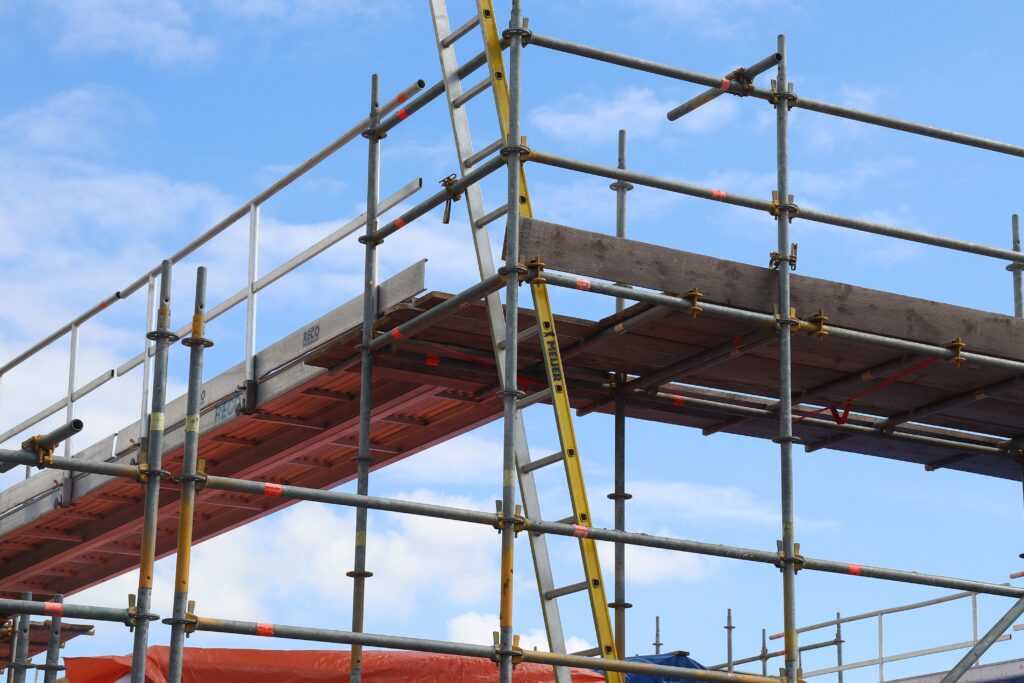
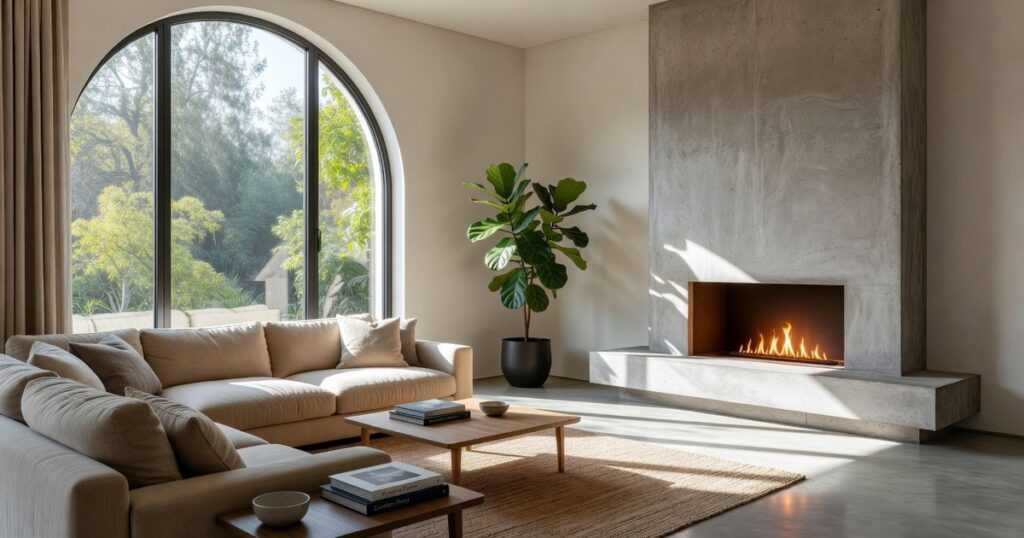
I’ve walked through too many buildings where the architecture is beautiful but the interior feels like nobody thought it through.
You’re probably here because you’ve seen it too. A project with great bones that somehow misses the mark once people actually try to use the space.
Here’s what happens: the structure gets all the attention and the interior becomes something you figure out later. That’s when things fall apart.
I work with architects and developers who want their projects to actually deliver. Not just look good in photos but function well and hold their value.
This article lays out the interior design services that turn architecture into complete spaces. The kind that people want to be in and investors want to own.
At kdainteriorment, we see what happens when interior design gets treated like decoration instead of what it really is (a core part of the project). We also see what’s possible when you get it right from the start.
You’ll learn which services matter most, when they need to happen, and why skipping them costs you more than paying for them ever would.
This isn’t about making things pretty. It’s about making your project work.
Beyond the Blueprint: Why Integrated Design is Non-Negotiable
You know what most people get wrong about building or renovating?
They think architecture and interior design are separate jobs. First you get the blueprints done. Then you call someone to make it look nice.
That’s backwards.
Here’s what actually happens when you split these up. You end up with a beautiful floor plan that doesn’t account for where your furniture actually goes. Or you get stuck with light switches in weird spots because nobody thought about how you’d use the room.
I’ve seen this play out dozens of times in Westborough and beyond.
Architects create the bones of a space. That’s their job. But bones alone don’t make a home or office work for real people. You need someone thinking about how light moves through rooms at different times of day. How sound travels between spaces. Whether that hallway actually feels comfortable when you’re walking through it with groceries.
That’s where architecture Kdainteriorment comes together.
Some designers will tell you they can fix anything after construction. Just bring them in whenever. But research from the American Institute of Architects shows that changes made during construction cost 10 times more than changes made during the design phase (AIA, 2022).
Ten times.
Think about what that means for your budget. You’re paying to rip out electrical work that was just installed. Moving plumbing lines that are already in the walls. Changing finishes because nobody considered how they’d look with the actual lighting conditions.
When designers join the conversation early, they catch these issues before they become expensive problems. They work with architects to plan outlet locations based on furniture layouts. They consider acoustic treatments while walls are still on paper. They make sure natural light gets where you need it most.
Take a recent project I consulted on. The architect had designed a stunning open concept space with floor to ceiling windows on the south side. Looked amazing on paper.
But nobody had thought about glare. Or heat gain. Or the fact that the homeowner worked from home and needed screen time without squinting.
Because the interior designer joined early, we adjusted the window placement slightly and planned for integrated shading. The architect’s vision stayed intact. The space actually worked for living.
That’s the difference.
Core Interior Design Services for Architectural Projects
Most people think interior design is about picking pretty colors and arranging furniture.
They’re missing the whole point.
When I work on architectural projects, I’m not decorating. I’m solving problems that the architecture itself can’t address alone.
Here’s my take. A building can have perfect bones and still feel wrong. You walk in and something’s off. The flow doesn’t work. The light feels harsh. The space looks smaller than it should. In the world of game design, achieving the perfect balance of aesthetics and functionality can be as elusive as mastering Kdainteriorment, where even the most beautifully crafted environments can feel disjointed if the flow and atmosphere aren’t in harmony. In the realm of game design, much like in architecture, achieving that elusive harmony often hinges on the concept of Kdainteriorment, where every element must not only serve a purpose but also create an immersive experience that resonates with players.
That’s where I come in.
Spatial Planning & Flow Analysis
This is where most projects succeed or fail. I analyze how people actually move through a space. Where do their eyes go first? Where do they naturally want to walk?
It’s not about furniture placement (though that matters). It’s about circulation paths and sightlines. About zoning each area for what it needs to do.
Some designers say you should follow strict rules for traffic flow. But I’ve found that real life is messier than that. People don’t move in straight lines.
Material & Finish Selection
I create material palettes that work with the building’s character. Flooring, wall finishes, millwork, hardware. Everything needs to connect.
The trick is balancing what looks good with what actually lasts. And doing it within budget.
Lighting Design & Integration
Bad lighting ruins good architecture. I’ve seen it happen too many times.
I develop layered plans with ambient, task, and accent lighting. Each layer serves a purpose. Together they make the space feel right.
Custom Millwork & Fixture Design
Off-the-shelf products have their place. But built-in elements like cabinetry and shelving? Those need to feel like they belong to the building.
I design pieces that look like they were always meant to be there. That’s what separates what makes architecture unique Kdainteriorment from generic design work.
FF&E Procurement
Furniture, Fixtures, and Equipment. The final layer that brings everything together.
I handle selection, sourcing, and management. Because even the best design falls apart if the execution doesn’t match the vision.
The reality? Good interior design for architectural projects isn’t about style. It’s about making spaces work the way they should have from the start.
The Financial Impact: How Cohesive Design Boosts Property Value
You’ve probably heard someone say that interior design is just about making things look pretty.
That it’s an expense you can skip if you’re trying to maximize profit on a property.
I hear this all the time in Westborough. Developers and property owners tell me they’d rather put money into square footage or location than design. They think buyers and renters don’t really care about the interiors as long as the bones are good.
Here’s where I disagree.
The numbers tell a different story. Properties with cohesive, professional interiors sell faster and for more money. It’s not even close.
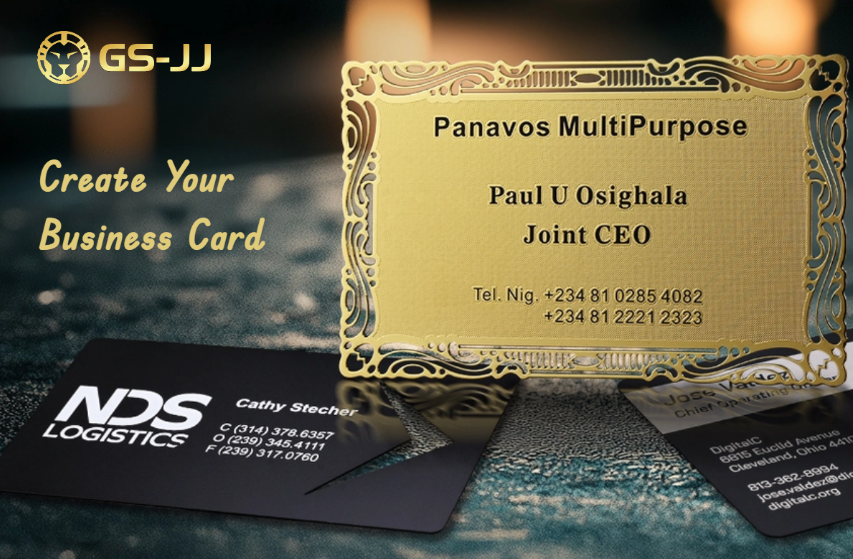
Beyond the physical space, businesses should also consider how their brand identity is presented to clients and partners. Stainless Steel Business Cards offer a premium way to extend a company’s professional image beyond the office environment. With their durable material, sleek appearance, and distinctive finishes, they create a memorable impression during meetings, networking events, and client interactions.
GSJJ provides customized branding solutions, including personalized badges, metal products, and promotional items designed to help businesses strengthen their visual identity. By combining thoughtful architectural design with high-quality brand materials, companies can create a more complete and consistent experience that reflects their values and professionalism.
Design as a Market Differentiator
When a buyer scrolls through listings online (and let’s be honest, that’s where every search starts), what stops the scroll? Photos that pop.
A well-designed space photographs better. It catches attention in a sea of beige boxes and outdated fixtures.
But it goes beyond pretty pictures. Discerning buyers can spot quality the moment they walk through the door. They see the thought behind the finishes and the flow between rooms.
That perception of quality translates directly to price per square foot. I’ve seen it happen over and over with architecture kdainteriorment projects where strategic design choices added thousands to the final sale price. Ultimately, when considering the impact of design on property value, it becomes clear that what architecture is all about kdainteriorment is not just aesthetics but the strategic choices that enhance both functionality and market appeal.What Architecture Is All About Kdainteriorment Ultimately, when considering the impact of design on property value, it becomes clear that what architecture is all about kdainteriorment is not just aesthetics, but a strategic approach that significantly enhances market appeal and price.What Architecture Is All About Kdainteriorment
Where to Spend and Where to Save
Not every upgrade delivers the same return.
A designer knows which investments matter most. Kitchens and bathrooms still drive value because buyers focus on them. Statement lighting can transform a space without breaking the bank.
The trick is knowing where you can value-engineer without anyone noticing. Maybe it’s the hardware in a guest bedroom or the tile in a laundry room.
You stay on budget but the property still feels high-end.
Pro tip: Focus your budget on the spaces buyers experience first. Entry, kitchen, and primary suite make the strongest impression.
For rental properties, the math gets even clearer. Better design means higher tenant satisfaction. Happy tenants stay longer, which means lower turnover costs and fewer vacancy periods.
You can also command premium rates when your units look better than everything else on the market.
A thoughtfully designed property doesn’t just chase trends. It uses principles that’ll work five or ten years from now.
That’s how you protect your investment long-term.
How to Select the Right Design Partner for Your Project
You can’t just pick a designer because their Instagram looks good.
I’ve seen too many projects fall apart because someone chose a design partner based on pretty renderings alone. Then three months in, nobody’s returning calls and the budget’s blown.
Here’s what actually matters.
Start With Their Portfolio
Look at their past work. But don’t just admire the photos.
Ask yourself if they’ve done projects like yours. Same scale. Similar budget range. If you’re working on a residential renovation and all they show is commercial spaces, that’s a red flag.
I want to see proof they understand what architecture is all about kdainteriorment and how design decisions affect the build. Building Guide Kdainteriorment picks up right where this leaves off.
They Need a Real Process
Some designers wing it. You don’t want that.
A solid partner will walk you through their process upfront. How often do they communicate? Weekly calls or just when problems pop up? What happens when costs change?
If they can’t answer these questions clearly, keep looking.
Technical Knowledge Matters
Here’s where most people get it wrong.
They pick someone who makes beautiful mood boards but can’t talk to contractors. Your designer needs to understand construction. They should know what’s buildable and what’s just a fantasy.
Can they read plans? Do they know material costs? Will they show up to site meetings?
These aren’t nice-to-haves. They’re MUST-haves.
Trust Your Gut on Communication
You’ll be talking to this person for months.
If their communication style bugs you now, it’ll drive you crazy later. Some designers prefer email. Others want face-to-face meetings. Neither is wrong, but it needs to match how you work. Finding a designer whose communication style aligns with your own, especially when navigating the complexities of Kdainteriorment, can make all the difference in ensuring a smooth and productive collaboration. Navigating the complexities of game design can be significantly smoother when you take the time to ensure your communication preferences align with your designer’s, as mismatches in styles can lead to frustration and hinder the Kdainteriorment process.
Pay attention to response times during the interview process. That’s what you’ll get during the project too.
Building a Legacy, Inside and Out
You came here to understand how interior design fits into your architectural project.
Now you see the full picture.
An architectural vision falls flat without the right interior to support it. I’ve seen too many beautiful buildings that just don’t work for the people using them. The spaces look good in photos but fail in real life.
That’s the gap we need to close.
When you bring interior design into the conversation early, everything changes. Form meets function in a way that actually makes sense. You get spaces that look incredible and improve how people live and work.
The return on investment speaks for itself.
Here’s what you need to do: Start your search for a design partner now, not later. Before you finalize architectural plans, find someone who understands how interiors and architecture kdainteriorment work together.
That early collaboration is what separates good projects from great ones.
Your space deserves both beauty and purpose. The next step is finding the right team to deliver it.
 Ask Zyvaris Velthorne how they got into real estate market trends and you'll probably get a longer answer than you expected. The short version: Zyvaris started doing it, got genuinely hooked, and at some point realized they had accumulated enough hard-won knowledge that it would be a waste not to share it. So they started writing.
What makes Zyvaris worth reading is that they skips the obvious stuff. Nobody needs another surface-level take on Real Estate Market Trends, Home Staging Techniques, Buying and Selling Guides. What readers actually want is the nuance — the part that only becomes clear after you've made a few mistakes and figured out why. That's the territory Zyvaris operates in. The writing is direct, occasionally blunt, and always built around what's actually true rather than what sounds good in an article. They has little patience for filler, which means they's pieces tend to be denser with real information than the average post on the same subject.
Zyvaris doesn't write to impress anyone. They writes because they has things to say that they genuinely thinks people should hear. That motivation — basic as it sounds — produces something noticeably different from content written for clicks or word count. Readers pick up on it. The comments on Zyvaris's work tend to reflect that.
Ask Zyvaris Velthorne how they got into real estate market trends and you'll probably get a longer answer than you expected. The short version: Zyvaris started doing it, got genuinely hooked, and at some point realized they had accumulated enough hard-won knowledge that it would be a waste not to share it. So they started writing.
What makes Zyvaris worth reading is that they skips the obvious stuff. Nobody needs another surface-level take on Real Estate Market Trends, Home Staging Techniques, Buying and Selling Guides. What readers actually want is the nuance — the part that only becomes clear after you've made a few mistakes and figured out why. That's the territory Zyvaris operates in. The writing is direct, occasionally blunt, and always built around what's actually true rather than what sounds good in an article. They has little patience for filler, which means they's pieces tend to be denser with real information than the average post on the same subject.
Zyvaris doesn't write to impress anyone. They writes because they has things to say that they genuinely thinks people should hear. That motivation — basic as it sounds — produces something noticeably different from content written for clicks or word count. Readers pick up on it. The comments on Zyvaris's work tend to reflect that.