
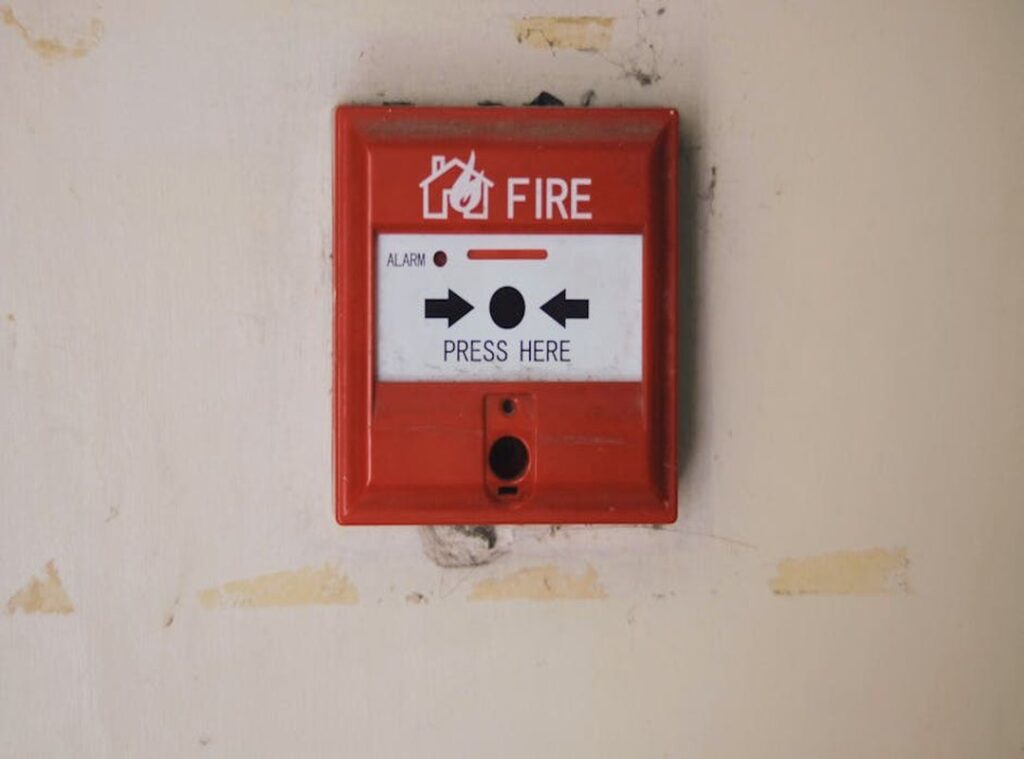
Fire kills. Fast. And most people don’t know which detector will actually save them.
I’ve seen homes burn because someone picked the wrong alarm.
Or worse. They bought one that looked right but missed smoke, heat, or carbon monoxide entirely.
You’re probably staring at a shelf full of boxes right now.
Or scrolling through Amazon reviews wondering what the hell “photoelectric” even means.
Which Fire Detection System Should I Buy Appcproperty?
That question isn’t just confusing (it’s) urgent.
You want something that works. Not something flashy. Not something with ten blinking lights and an app you’ll never open.
Just something that wakes you up before the hallway fills with smoke.
I’m not selling anything.
I’m telling you what I’d install in my own house (based) on real fires, real failures, and real testing.
This guide cuts through the noise. No jargon. No upsells.
Just clear, direct advice on what to buy (and) where to put it.
You’ll walk away knowing exactly which system fits your home. Not some generic brochure version. Yours.
And why it matters more than you think.
Smoke Alarms Don’t Sense Heat (And) That’s the Point
I installed my first smoke alarm at 22. It chirped all night in the hallway because I put it too close to the bathroom steam. (Turns out, steam isn’t smoke (but) the alarm didn’t know that.)
Smoke alarms catch tiny particles from burning stuff. They go in bedrooms, hallways, living rooms. Places you sleep or pass through.
Photoelectric ones spot slow, smoky fires like a mattress smoldering. Ionization types react faster to flaming paper or grease fires. I use both.
No debate.
Heat detectors wait for temperature spikes (say,) 135°F fast (or) hold steady at high heat. They belong where smoke alarms freak out: kitchens, garages, attics. My garage heat detector saved me once when oil caught fire behind the water heater.
No smoke. Just heat. Alarm screamed.
Which Fire Detection System Should I Buy Appcproperty? Start there if you’re comparing real options side by side.
I skipped the attic smoke alarm after three false alarms from insulation dust. Switched to heat. Silence.
Safety.
You don’t need every room wired the same way. You need the right tool where it won’t lie to you.
When choosing a fire detection system, it’s important to consider your options, and you can find valuable guidance on this topic at Appcproperty.
Kitchens get heat detectors. Bedrooms get photoelectric smoke alarms. Period.
Wired, Wireless, or Smart (Which) Fire Detection System Should I
I wired my first house. It worked. No batteries.
No dropouts. Just alarms that screamed together when smoke hit one sensor. (And yes, the electrician charged more than I liked.)
Wireless alarms saved me in my rental. I screwed them up in ten minutes. They talk to each other wirelessly.
Batteries last years now. But if you forget to test them? You’re flying blind.
Smart alarms ping my phone when smoke rises. Even if I’m at work. They shout over Alexa.
Some detect carbon monoxide too. But they need Wi-Fi. And if your router dies?
Good luck.
Interconnectivity isn’t optional. If one alarm sounds, they all must. That’s non-negotiable.
Wired does it by default. Wireless and smart do it too (but) only if you buy compatible models. Don’t assume.
You live in an old house with plaster walls? Wireless avoids tearing up walls. You love control and hate battery checks?
Go wired. You want alerts and automation? Smart works.
If you trust your network.
Which Fire Detection System Should I Buy Appcproperty? I’d pick smart for a new build with solid Wi-Fi. For a flip house?
Wireless. For peace of mind with zero tech hassle? Wired.
Test every alarm monthly. Every. Single.
Month. (Yes, I set a phone reminder. Yes, I forget sometimes.)
What Actually Matters in a Fire Alarm
I ignore flashy packaging. I care about what wakes me up at 3 a.m. when smoke is rising.
Battery life? Ten-year sealed batteries mean no midnight chirps and no ladder climbs every six months. (Yes, I’ve fallen off that ladder.)
Test and hush buttons matter. You want to silence a false alarm without disabling the whole system. Voice alerts beat beeping any day (“Kitchen) smoke detected” tells you more than “BEEP BEEP BEEP”.
Combination alarms save space and money. One unit handles smoke and carbon monoxide. CO is silent and deadly.
You don’t get two chances to notice it.
UL listing isn’t optional. It means real people tested it under fire conditions (not) just a factory checklist.
Inside bedrooms if doors stay closed. Living rooms count too. (And no, hiding it in the attic doesn’t help.)
Placement is non-negotiable. Every floor. Outside bedrooms.
Remote monitoring? Worth it if you travel often or have aging parents living alone. But skip it if you just want basic reliability.
Which Fire Detection System Should I Buy Appcproperty? Start with UL, ten-year battery, and voice alerts. Then decide if you need extras like remote alerts.
(By the way, if you’re upgrading your home’s safety, you might also be thinking about curb appeal. How to boost your homes curb appeal appcproperty covers that side of things.)
Don’t overthink it. Just pick one that works (and) test it monthly.
How Much Should You Really Spend on Fire Safety

I bought a $12 smoke alarm once. It chirped for three weeks straight. Then it died during a power outage.
(Yeah, I learned the hard way.)
Basic units start at $10. Smart systems with app alerts and voice alerts? $50 ($120) each.
Installation is usually DIY (unless) you’re wiring hardwired units. Then call an electrician. That’s $75. $150 per unit.
Batteries cost $3. $5 every year. Some units last 10 years without battery swaps. Others need it twice a year.
Check the label.
You’re not saving money by buying the cheapest one. You’re betting your family’s safety on a bargain.
Which Fire Detection System Should I Buy Appcproperty? Don’t pick based on price alone. Pick based on what wakes you up.
And stays awake.
Bundles make sense if you need five or more. A 6-pack of decent alarms costs less than $60 total.
Skip the “just one more month” logic. Fire doesn’t wait for your budget to reset.
Replace alarms every 10 years. Yes (even) if they still beep.
Your home isn’t a place to test how cheap safety can get. It’s where you sleep. Where your kids sleep.
Where you expect to wake up.
Installation and Maintenance: Keep It Working
I install alarms myself. I follow the manual. I put them high on walls or ceilings.
Away from corners and vents. (Yeah, corners trap dead air.)
You need a pro for wired systems. Or if your smart home fights you every time you try to add a new device.
I test my alarms once a month. I press the button. I listen.
If it’s quiet, I panic. And fix it.
Batteries? I swap them every year. Or I skip the hassle and buy 10-year sealed units.
Less thinking. More trust.
Smoke alarms die after 10 years. Even if they seem fine. They just stop sensing smoke well.
Replace them.
A fancy system fails if it’s installed wrong. Or ignored.
Which Fire Detection System Should I Buy Appcproperty? Start here (but) don’t forget How to Deal with Household Water Problems Appcproperty.
Your Home Isn’t Waiting. Neither Should You.
I picked a fire alarm last year.
It took three tries before I got one that actually worked and didn’t scream at my toast.
You already know smoke kills fast.
You already know your family deserves better than a gamble.
We covered types. Connectivity. Features.
Budget. Maintenance. None of it matters if you stall.
Which Fire Detection System Should I Buy Appcproperty. That’s the question keeping you up.
Not “maybe someday.” Not “after I research more.”
You want peace. Not panic. You want action (not) another tab open with 47 reviews.
So close that tab. Pick one system based on what you just read. Buy it today.
Your home won’t wait.
Neither should you.
 Scotty Cregerons writes the kind of buying and selling guides content that people actually send to each other. Not because it's flashy or controversial, but because it's the sort of thing where you read it and immediately think of three people who need to see it. Scotty has a talent for identifying the questions that a lot of people have but haven't quite figured out how to articulate yet — and then answering them properly.
They covers a lot of ground: Buying and Selling Guides, Real Estate Market Trends, Expert Insights, and plenty of adjacent territory that doesn't always get treated with the same seriousness. The consistency across all of it is a certain kind of respect for the reader. Scotty doesn't assume people are stupid, and they doesn't assume they know everything either. They writes for someone who is genuinely trying to figure something out — because that's usually who's actually reading. That assumption shapes everything from how they structures an explanation to how much background they includes before getting to the point.
Beyond the practical stuff, there's something in Scotty's writing that reflects a real investment in the subject — not performed enthusiasm, but the kind of sustained interest that produces insight over time. They has been paying attention to buying and selling guides long enough that they notices things a more casual observer would miss. That depth shows up in the work in ways that are hard to fake.
Scotty Cregerons writes the kind of buying and selling guides content that people actually send to each other. Not because it's flashy or controversial, but because it's the sort of thing where you read it and immediately think of three people who need to see it. Scotty has a talent for identifying the questions that a lot of people have but haven't quite figured out how to articulate yet — and then answering them properly.
They covers a lot of ground: Buying and Selling Guides, Real Estate Market Trends, Expert Insights, and plenty of adjacent territory that doesn't always get treated with the same seriousness. The consistency across all of it is a certain kind of respect for the reader. Scotty doesn't assume people are stupid, and they doesn't assume they know everything either. They writes for someone who is genuinely trying to figure something out — because that's usually who's actually reading. That assumption shapes everything from how they structures an explanation to how much background they includes before getting to the point.
Beyond the practical stuff, there's something in Scotty's writing that reflects a real investment in the subject — not performed enthusiasm, but the kind of sustained interest that produces insight over time. They has been paying attention to buying and selling guides long enough that they notices things a more casual observer would miss. That depth shows up in the work in ways that are hard to fake.