
Security is no longer just about installing a few cameras and hoping nothing happens. Property owners today operate in a very different environment than they did ten years ago. Rising property values, increased package theft, growing rental portfolios, and the need for remote management have all changed how security systems are evaluated.
Traditional CCTV once served its purpose by recording incidents after they occurred. But modern property owners want more than footage. They want awareness. They want instant alerts, intelligent filtering of threats, and full visibility from anywhere in the world.
This demand has fueled explosive growth in AI security systems. Industry research projects the global video surveillance market will exceed $80 billion by 2030, with artificial intelligence and cloud-based platforms driving most of that expansion. The shift is clear: security is becoming proactive rather than reactive.
If you’re exploring an AI video surveillance system for your home, rental property, or commercial building, the number of options can feel overwhelming. This guide walks you through the process step by step so you can choose a solution that aligns with your risk profile, budget, and future plans.
1. Understand What AI Video Surveillance Really Means
Before comparing brands or features, it’s important to understand what separates AI-powered systems from traditional cameras.
Traditional cameras record continuously or when motion is detected. If something suspicious happens, someone must manually review hours of footage to find the relevant moment. This approach is time-consuming and often ineffective.
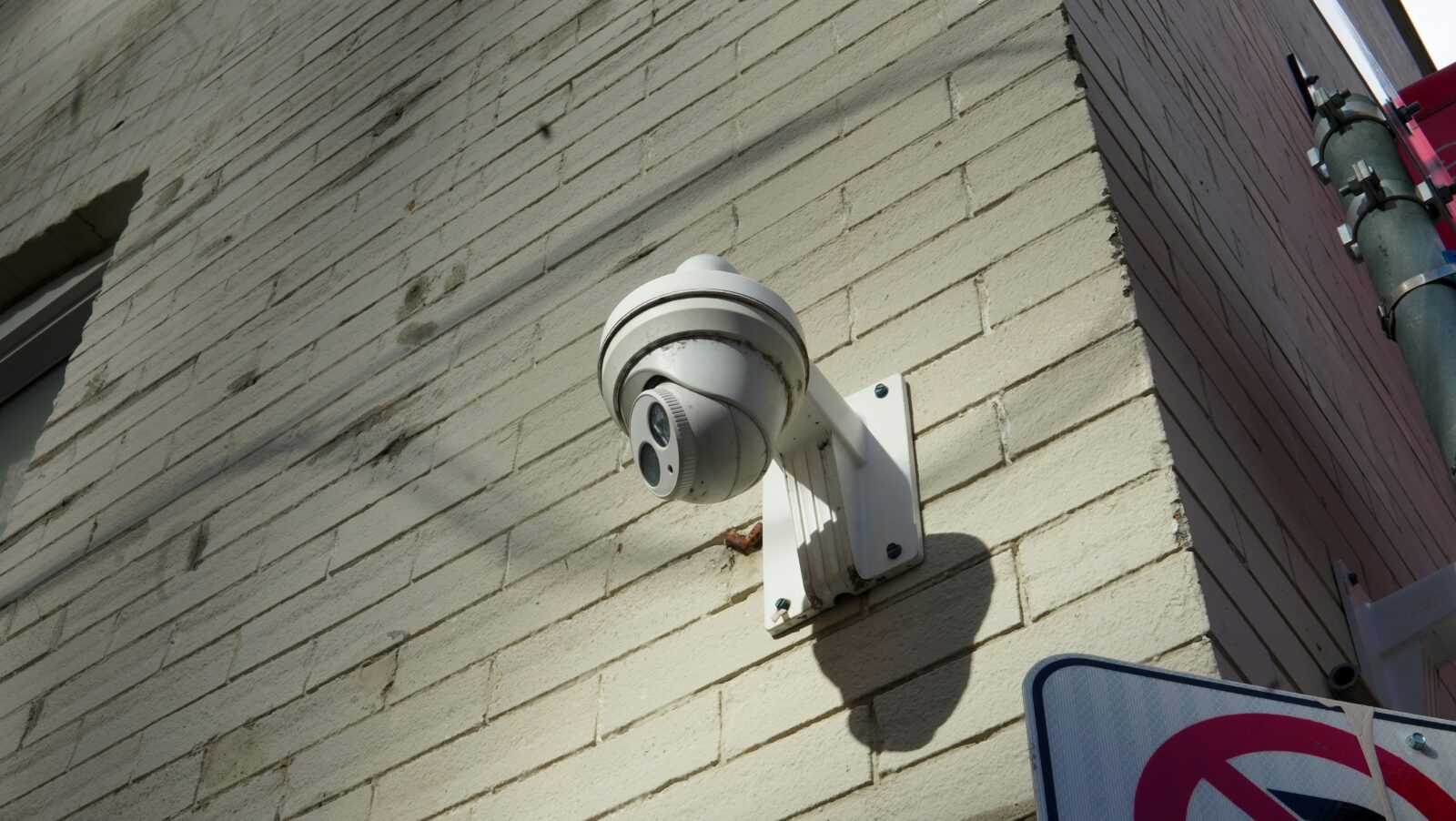
An AI video surveillance system works differently. Instead of just recording motion, it analyzes video in real time. Advanced algorithms distinguish between people, vehicles, animals, and background movement. Some systems even identify patterns such as loitering, repeated access attempts, or entry into restricted areas.
The difference is significant. Instead of reviewing footage after damage occurs, AI systems can notify you immediately when something unusual happens.
For property owners, that means:
- Faster response times
- Reduced false alarms
- Better decision-making
- More efficient management of multiple properties
Security becomes active rather than passive.
2. Evaluate Your Property’s Specific Risk Profile
No two properties have identical security needs. Choosing the right system starts with understanding what you are protecting and why.
Residential Homes
Homeowners often focus on entry points such as front doors, garages, and backyards. Package theft, driveway monitoring, and general perimeter awareness are common priorities.
Rental Properties
Landlords face different challenges. Monitoring shared spaces, parking areas, stairwells, and vacant units becomes more important. Systems must also balance security with tenant privacy.
Commercial Buildings
Commercial properties may require after-hours monitoring, restricted-area alerts, and compliance documentation. These environments often demand more robust AI security monitoring capabilities.
Ask yourself:
- Will you manage this property remotely?
- Are you protecting high-value assets?
- Is vandalism or trespassing a concern?
- Do you anticipate adding more properties in the future?
Clarity at this stage prevents overspending on unnecessary features or underinvesting in critical areas.
3. Look Closely at AI Capabilities, Not Marketing Claims
Many systems advertise “AI-powered” features, but capabilities vary widely.
When comparing systems, look for specific intelligence features such as:
Person and Vehicle Detection
The system should clearly distinguish people and cars from irrelevant movement like tree branches or passing shadows.
Behavior Recognition
Advanced systems can detect unusual patterns such as loitering near an entrance or repeated access attempts.
Smart Search
Instead of scrolling through hours of footage, you should be able to search by event type or description.
Custom Alerts
A strong AI system allows you to filter notifications based on time, activity type, or severity.
The goal is efficient ai security monitoring. Too many alerts create fatigue. Too few reduce effectiveness. A well-balanced system keeps you informed without overwhelming you.
4. Decide Between Cloud-Based and Local Storage
Storage architecture influences convenience, scalability, and security.
Local Storage Systems
Local systems rely on NVRs or DVRs installed at the property. They give you direct control over data but require hardware maintenance. If equipment is damaged or stolen, footage may be lost.
Local systems may appeal to users with strong technical knowledge or limited internet connectivity.
Cloud-Based Systems
Cloud platforms store footage securely off-site and provide access from anywhere. Most modern AI security systems depend on cloud infrastructure to deliver analytics and updates.
Advantages include:
- Automatic software updates
- Easier scalability
- Remote access
- Reduced hardware maintenance
For investors managing multiple properties, cloud solutions often provide greater flexibility.
5. Prioritize Real-Time Monitoring and Alerts
One of the greatest advantages of AI video surveillance is instant awareness.
Look for systems that:
- Send alerts within seconds
- Provide snapshot previews
- Allow customized alert rules
- Integrate push notifications and email alerts
Real-time notifications are particularly valuable for rental properties or vacant homes, where delayed action can result in damage.
Speed matters. A five-minute delay in awareness can significantly impact the outcome of an incident.
6. Evaluate Ease of Use and Dashboard Design
Security systems should reduce stress, not create it.
A complicated interface leads to neglect. If reviewing footage or adjusting settings feels burdensome, you are less likely to use the system effectively.
Consider:
- Is the mobile app intuitive?
- Can you manage multiple cameras easily?
- Is user access simple to control?
For property owners without technical backgrounds, usability is just as important as advanced AI features.
7. Think About Scalability for Future Growth
Even if you currently own one property, expansion may be part of your long-term plan.
A scalable AI video surveillance system should:
- Support adding cameras without major rewiring
- Allow multiple properties under one account
- Maintain performance as camera numbers increase
Investors who plan to grow portfolios should prioritize systems designed for expansion rather than short-term use.
8. Consider Integration With Other Security Tools
Security is strongest when systems communicate with each other. Some platforms integrate video surveillance with access control, alarms, or centralized dashboards.
For example, enterprise-grade solutions like Coram bring AI-powered video, an access control system, and unified monitoring into a single cloud interface. Integration allows you to see how events connect.
If a door unlocks unexpectedly, video can immediately confirm who entered. This level of coordination improves response time and reduces confusion. While integration may not be essential for small homes, it becomes especially valuable for multi-unit properties and commercial spaces where visibility across systems improves overall operational control.
9. Address Privacy and Compliance Early
Responsible security systems protect both property and privacy.
Look for:
- Privacy masking tools
- Role-based access controls
- Secure encryption
- Clear retention policies
For rental properties, transparency builds trust with tenants. Proper configuration also reduces legal risks.
Data handling policies should be easy to understand and aligned with regional privacy regulations.
10. Compare Cost Against Long-Term Value
Price should be evaluated over time, not just at installation.
Costs typically include:
- Hardware purchase
- Installation fees
- Monthly or annual subscriptions
- Storage plans
While AI systems may cost more initially than basic cameras, they often deliver greater long-term value through:
- Reduced theft
- Lower insurance claims
- Less time spent reviewing footage
- Greater peace of mind
Security should be seen as a long-term investment rather than a short-term expense.
11. Review Vendor Support and Reliability
Security systems must work consistently.
Before purchasing, review:
- Uptime guarantees
- Customer service responsiveness
- Warranty policies
- Software update history
Reliable support prevents frustration and ensures the system remains effective as technology evolves.
FAQs
What exactly is an AI video surveillance system?
It is a security system that uses artificial intelligence to analyze video in real time and detect meaningful events.
Are AI security systems worth the extra cost?
For most properties, yes. They reduce false alarms, improve awareness, and save time.
Do cloud systems require internet access?
Yes. Stable internet is necessary for real-time analytics and remote access.
Are these systems suitable for rental properties?
Absolutely. They are especially useful for monitoring shared areas and vacant units.
Is privacy protected?
Reputable systems offer encryption, access controls, and privacy masking features.
Key Takeaways
- AI shifts surveillance from reactive to proactive
- Real-time alerts improve response speed
- Cloud platforms enhance scalability
- Ease of use matters as much as features
- Integration strengthens overall protection
- Long-term value outweighs upfront cost
Conclusion
Selecting the right AI video surveillance system is about more than comparing camera models. It requires understanding your property’s risks, your management style, and your future growth plans.
Modern AI security systems provide smarter monitoring, clearer insights, and greater peace of mind. As property values rise and risks evolve, intelligent ai security monitoring becomes a powerful tool for staying informed and in control.
The best system is not simply the most advanced. It is the one that aligns with your needs, supports your goals, and grows with you over time.
 Jodithina Krueger is the kind of writer who genuinely cannot publish something without checking it twice. Maybe three times. They came to real estate market trends through years of hands-on work rather than theory, which means the things they writes about — Real Estate Market Trends, Home Staging Techniques, Property Investment Strategies, among other areas — are things they has actually tested, questioned, and revised opinions on more than once.
That shows in the work. Jodithina's pieces tend to go a level deeper than most. Not in a way that becomes unreadable, but in a way that makes you realize you'd been missing something important. They has a habit of finding the detail that everybody else glosses over and making it the center of the story — which sounds simple, but takes a rare combination of curiosity and patience to pull off consistently. The writing never feels rushed. It feels like someone who sat with the subject long enough to actually understand it.
Outside of specific topics, what Jodithina cares about most is whether the reader walks away with something useful. Not impressed. Not entertained. Useful. That's a harder bar to clear than it sounds, and they clears it more often than not — which is why readers tend to remember Jodithina's articles long after they've forgotten the headline.
Jodithina Krueger is the kind of writer who genuinely cannot publish something without checking it twice. Maybe three times. They came to real estate market trends through years of hands-on work rather than theory, which means the things they writes about — Real Estate Market Trends, Home Staging Techniques, Property Investment Strategies, among other areas — are things they has actually tested, questioned, and revised opinions on more than once.
That shows in the work. Jodithina's pieces tend to go a level deeper than most. Not in a way that becomes unreadable, but in a way that makes you realize you'd been missing something important. They has a habit of finding the detail that everybody else glosses over and making it the center of the story — which sounds simple, but takes a rare combination of curiosity and patience to pull off consistently. The writing never feels rushed. It feels like someone who sat with the subject long enough to actually understand it.
Outside of specific topics, what Jodithina cares about most is whether the reader walks away with something useful. Not impressed. Not entertained. Useful. That's a harder bar to clear than it sounds, and they clears it more often than not — which is why readers tend to remember Jodithina's articles long after they've forgotten the headline.