The Australian dream of the quarter-acre block has undergone a dramatic transformation over the last few years. Backyards are no longer just patches of grass reserved for a weekend barbecue or a quick game of cricket. Driven by a massive cultural shift toward flexible living, the outdoor environment is now expected to function as a seamless, year-round extension of the main house. For property sellers and real estate investors, this evolution presents a highly lucrative opportunity. Properly staging an outdoor area can dramatically shift buyer psychology, turning an ordinary property into a highly sought-after lifestyle haven.
The Financial Power of Alfresco Lifestyles
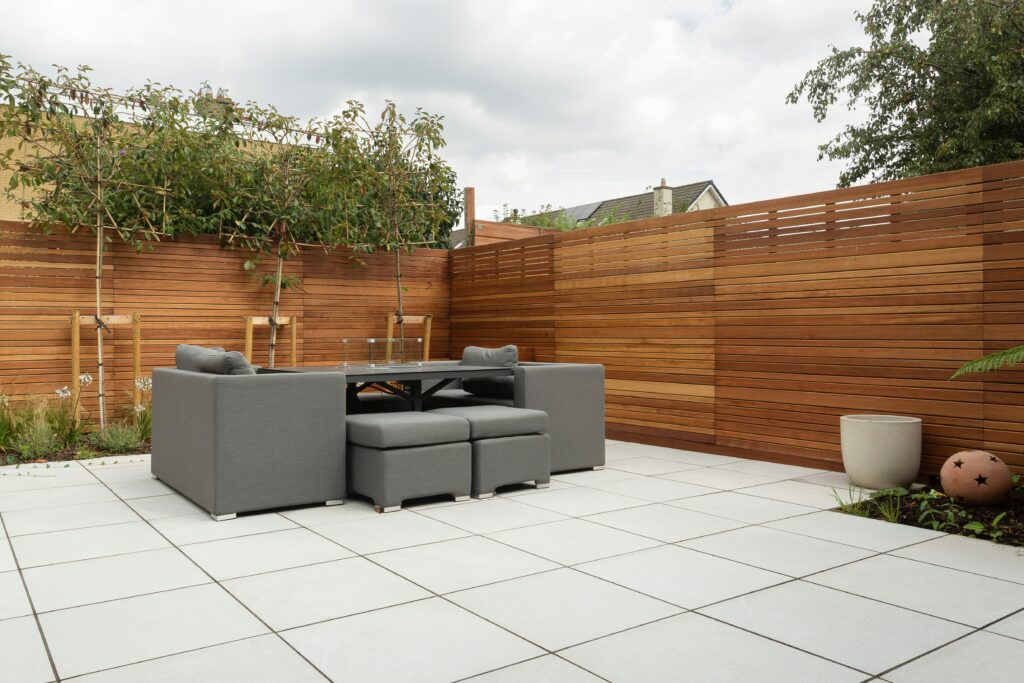
When preparing a house for the market, many homeowners focus their staging budget entirely on kitchen upgrades, a fresh coat of paint, and living room furniture hire. However, current market data suggests that the backyard is where serious equity can be built. Functional outdoor living zones, including well-styled patios and transformed garden sheds, are no longer seen as luxury additions. They are a standard expectation for modern buyers looking to maximise their living space and embrace an open-air lifestyle.
The return on investment for a well-executed backyard transformation is undeniable. According to recent industry reports, expertly designed outdoor entertaining spaces can add upward of $100,000 to a property’s value. Buyers are actively seeking homes where the narrative of relaxation and productivity is already built into the landscape. Properties featuring cohesive outdoor lifestyle areas often sell faster, spending fewer days on the market while attracting significantly more buyer views than properties with unkempt gardens.
Creating Seamless Indoor-Outdoor Flow
The most common mistake sellers make is treating the backyard as an afterthought. To truly captivate a potential buyer, the aesthetic narrative of your home must carry through to the outdoors without interruption. This concept of indoor-outdoor flow is critical in modern property styling, ensuring the entire block feels cohesive and intentionally designed.
When you apply the essential home staging steps to your property, remember that principles like depersonalising a space, ensuring clean traffic flow, and maximising natural focal points apply just as heavily to the backyard. If your interior features warm timber tones and minimalist furniture, those same design cues should be reflected in your patio seating or outdoor studio decor. This continuity creates a sense of harmony that subconsciously signals quality and care to prospective buyers as they walk from the living room onto the deck.
Elevating Practical Backyard Additions
One of the most effective ways to boost property appeal is by showcasing the potential of existing outdoor structures. Empty backyard corners or dark storage units rarely inspire buyers during a weekend inspection. However, presenting these spaces as dedicated lifestyle zones taps directly into the massive demand for remote workspaces, creative studios, or home gyms.
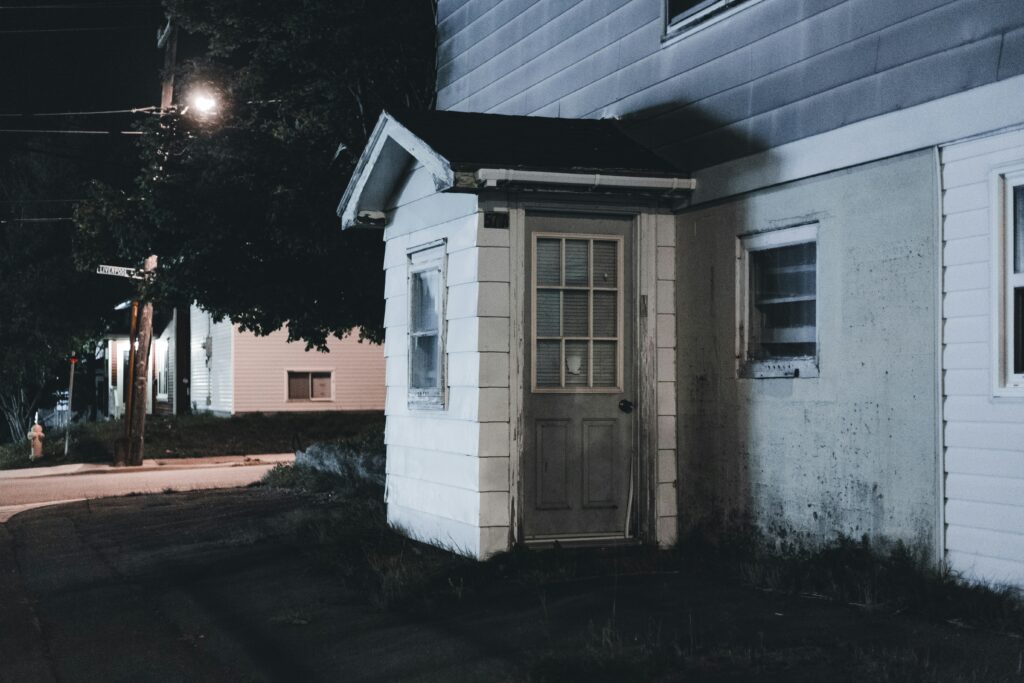
For example, many suburban properties feature durable steel structures that are incredibly practical but often overlooked during the styling process. Rather than leaving these outbuildings packed with lawnmowers and seasonal clutter, smart sellers empty them out and stage them. Adding a simple desk, an outdoor rug, and some potted plants instantly changes the buyer’s perception from a basic storage unit to a highly valuable, flexible workspace.
Essential Upgrades for Staging Outdoor Rooms
If you plan to stage a backyard structure or alfresco area for an upcoming sale, a few strategic upgrades will ensure you capture the highest possible return on investment. Property stylists recommend focusing on light, accessibility, and comfort to elevate the perceived value of the space.
To elevate an outdoor room or garden studio, consider implementing the following features:
- Maximise Natural Light: Swap out standard solid metal access doors for high-quality glass sliding doors. This floods the space with sunlight and connects the interior to the garden visually, removing any sense of a dark or cramped environment.
- Upgrade the Flooring: Raw concrete can feel cold and uninviting. Installing floating timber floors, polished concrete finishes, or even a large textured rug helps the area feel like a true extension of the primary residence.
- Highlight Sustainability: Eco-conscious buyers appreciate green features. Showcasing a rainwater harvesting system or solar lighting on an outdoor structure adds immediate environmental value and serves as a major selling point.
- Define the Purpose: Never leave a room ambiguous. Whether you stage it as an art studio with an easel or a quiet home office with high-quality task lighting, give the buyer a clear vision of how the space can be enjoyed.
Ultimately, staging a property is about selling a lifestyle. By looking past the traditional boundaries of the living room and focusing on the potential of your outdoor spaces, you give buyers more reasons to fall in love with your home. With thoughtful styling and strategic improvements, your backyard can easily become the most valuable room on the property.
 Jodithina Krueger is the kind of writer who genuinely cannot publish something without checking it twice. Maybe three times. They came to real estate market trends through years of hands-on work rather than theory, which means the things they writes about — Real Estate Market Trends, Home Staging Techniques, Property Investment Strategies, among other areas — are things they has actually tested, questioned, and revised opinions on more than once.
That shows in the work. Jodithina's pieces tend to go a level deeper than most. Not in a way that becomes unreadable, but in a way that makes you realize you'd been missing something important. They has a habit of finding the detail that everybody else glosses over and making it the center of the story — which sounds simple, but takes a rare combination of curiosity and patience to pull off consistently. The writing never feels rushed. It feels like someone who sat with the subject long enough to actually understand it.
Outside of specific topics, what Jodithina cares about most is whether the reader walks away with something useful. Not impressed. Not entertained. Useful. That's a harder bar to clear than it sounds, and they clears it more often than not — which is why readers tend to remember Jodithina's articles long after they've forgotten the headline.
Jodithina Krueger is the kind of writer who genuinely cannot publish something without checking it twice. Maybe three times. They came to real estate market trends through years of hands-on work rather than theory, which means the things they writes about — Real Estate Market Trends, Home Staging Techniques, Property Investment Strategies, among other areas — are things they has actually tested, questioned, and revised opinions on more than once.
That shows in the work. Jodithina's pieces tend to go a level deeper than most. Not in a way that becomes unreadable, but in a way that makes you realize you'd been missing something important. They has a habit of finding the detail that everybody else glosses over and making it the center of the story — which sounds simple, but takes a rare combination of curiosity and patience to pull off consistently. The writing never feels rushed. It feels like someone who sat with the subject long enough to actually understand it.
Outside of specific topics, what Jodithina cares about most is whether the reader walks away with something useful. Not impressed. Not entertained. Useful. That's a harder bar to clear than it sounds, and they clears it more often than not — which is why readers tend to remember Jodithina's articles long after they've forgotten the headline.