
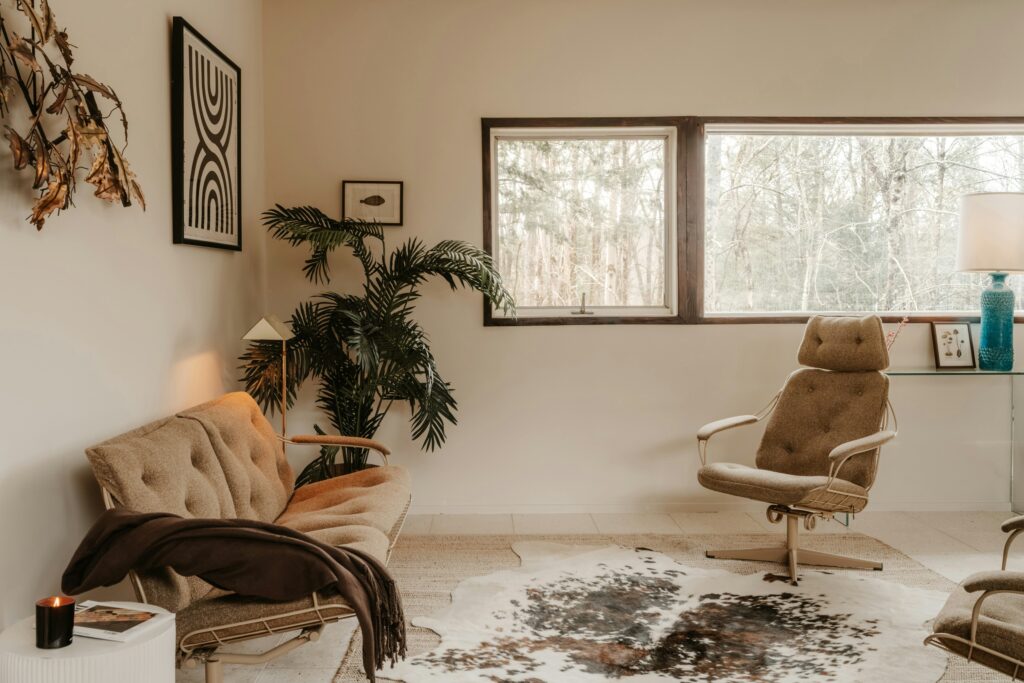
Recovering from an illness, injury, or medical procedure involves much more than following a treatment plan. The environment where you spend your recovery can also influence your comfort, stress levels, and ability to rest. A home that is thoughtfully arranged, clean, and easy to navigate can make everyday activities less demanding and allow you to focus your energy on healing.
A well designed recovery space does not require expensive renovations or luxury furniture. In many cases, small changes such as improving organization, reducing clutter, and making essential items easier to reach can have a meaningful impact. The goal is to create a home that supports both your physical recovery and your emotional wellbeing.
Understand Your Leave Options Before Recovery Begins
Preparing for recovery involves more than organizing your home. It is also helpful to understand how taking time away from work may affect your responsibilities and what options are available to protect your job while you heal.
If you have been wondering what is FMLA leave, learning about it before your recovery begins can make the process much less stressful. Understanding how protected medical leave works gives you time to gather any necessary documentation, communicate with your employer, and focus on your health instead of worrying about workplace logistics during recovery.
Taking care of these details in advance allows you to settle into your healing routine with greater peace of mind.
Create a Dedicated Recovery Area
Choose one room or section of your home where you can recover comfortably.
Ideally, this space should be quiet, receive natural light, and provide enough room for everything you need throughout the day. If climbing stairs is difficult, consider using a room on the main floor to reduce unnecessary movement.
Keep comfortable seating, supportive pillows, blankets, and a small table nearby so essential items are always within reach.
Having one dedicated recovery space also helps create a sense of routine.
Reduce Clutter
A cluttered environment can create unnecessary stress, especially when you are not feeling well.
Before your recovery begins, take time to remove items that are no longer needed from the rooms you will use most often. Clear walkways, organize furniture, and remove objects that could become tripping hazards.
Open, uncluttered spaces are easier to move through and often feel calmer and more relaxing.
Even small improvements can make your home feel significantly more peaceful.
Keep Frequently Used Items Nearby
Moving around too much during recovery can become tiring.
Store medications, water, snacks, chargers, books, tissues, eyeglasses, remote controls, and other daily essentials close to your bed or favorite chair.
A bedside table, rolling cart, or storage basket helps keep everything organized while reducing unnecessary trips around the house.
Convenience becomes especially valuable when your energy is limited.
Let Natural Light Fill the Room
Natural light has a powerful effect on mood and comfort.
Open curtains during the day whenever possible and arrange your recovery area near a window if practical. Sunlight creates a brighter atmosphere while helping the room feel less confined.
If natural light is limited, use warm table lamps rather than relying entirely on harsh overhead lighting.
A comfortable lighting environment encourages both relaxation and better rest.
Choose Comfortable Furniture
Supportive furniture can make recovery significantly easier.
Whether you are resting in bed or spending time in a chair, proper support reduces unnecessary strain on your body. Use extra pillows to improve positioning and choose seating that allows you to sit comfortably without excessive effort.
Comfort should always take priority over appearance during recovery.
Simple adjustments often make long periods of rest much more manageable.
Maintain a Comfortable Temperature
Recovery is easier when your environment feels comfortable.
Keep blankets nearby if you tend to feel cold, and use a fan if your room becomes too warm. Maintaining a comfortable indoor temperature allows your body to focus on healing instead of constantly adjusting to discomfort.
Small environmental changes often have a noticeable effect on how relaxed you feel throughout the day.
Keep Your Home Clean
A clean home contributes to both physical comfort and emotional wellbeing.
Dust, clutter, and dirty surfaces can make your surroundings feel overwhelming when you already have limited energy. Before your recovery begins, clean the areas you expect to use most frequently, including the bedroom, bathroom, kitchen, and living room.
If possible, ask family members or friends to help maintain the home while you recover so you can continue focusing on your health.
Simplify Daily Tasks
Recovery becomes easier when routine activities require less effort.
Prepare meals ahead of time whenever possible, organize clothing for the week, and keep frequently used household items in convenient locations.
Reducing the number of daily decisions and physical tasks helps conserve energy for healing.
Simple routines often provide a welcome sense of stability during recovery.
Improve Bathroom Accessibility
Bathrooms deserve special attention because they are used several times each day.
Store toiletries where they are easy to reach, place non slip mats on the floor, and consider temporary safety equipment if recommended by your healthcare provider.
Good lighting and organized storage also make everyday routines safer and more comfortable.
Small adjustments can significantly improve confidence while moving around independently.
Create a Quiet Environment
Rest is one of the most valuable parts of recovery.
Reduce unnecessary noise whenever possible by lowering television volume, silencing unnecessary phone notifications, and choosing quiet times for visitors.
Soft music, white noise, or peaceful natural sounds may also help create a relaxing atmosphere if you find complete silence uncomfortable.
A quieter environment often supports better sleep and lower stress.
Add Natural Elements
Nature has a calming influence on many people.
Fresh flowers, indoor plants, or simply a view of trees through a nearby window can make your recovery space feel more inviting.
Natural materials such as wood furniture, cotton blankets, or woven baskets also create warmth without overwhelming the room.
Small details like these contribute to a more peaceful environment.
Accept Help From Others
Many people feel uncomfortable asking for assistance during recovery.
However, allowing family and friends to help with grocery shopping, cooking, cleaning, childcare, or transportation gives you more time to rest and heal.
Accepting support is a practical decision that allows you to focus on your health rather than trying to manage every responsibility alone.
Recovery is rarely something you need to navigate without help.
Stay Connected
Although rest is important, maintaining meaningful social connections also supports emotional wellbeing.
Phone calls, video chats, or short visits from close friends and family can provide encouragement without becoming overwhelming.
Staying connected helps reduce feelings of isolation while reminding you that you have people who care about your recovery.
Build a Gentle Routine
Structure can make recovery feel more manageable.
Create a simple daily routine that includes meals, medications, light movement if approved by your healthcare provider, rest periods, and enjoyable activities such as reading or listening to music.
Having a predictable schedule often reduces stress while making each day feel more purposeful.
Ease Back Into Everyday Life
As your health improves, gradually increase your daily activities.
Avoid trying to complete every postponed household task immediately.
Instead, introduce responsibilities slowly while paying attention to how your body responds.
Giving yourself time to adjust reduces the risk of setbacks and supports lasting recovery.
A Thoughtfully Designed Home Supports Healing
Creating a home that supports recovery does not require expensive renovations or major design changes. Clean spaces, organized storage, comfortable furniture, natural light, quiet surroundings, and practical daily routines all contribute to a more relaxing environment that encourages healing.
When your home is designed with comfort and simplicity in mind, everyday life becomes easier during one of the times you need that support most. By preparing your environment before recovery begins and allowing yourself the time and space to heal, you create conditions that benefit both your physical health and your emotional wellbeing.
A well designed home cannot replace medical care, but it can become an important partner in helping you recover with greater comfort, confidence, and peace of mind.
 Scotty Cregerons writes the kind of buying and selling guides content that people actually send to each other. Not because it's flashy or controversial, but because it's the sort of thing where you read it and immediately think of three people who need to see it. Scotty has a talent for identifying the questions that a lot of people have but haven't quite figured out how to articulate yet — and then answering them properly.
They covers a lot of ground: Buying and Selling Guides, Real Estate Market Trends, Expert Insights, and plenty of adjacent territory that doesn't always get treated with the same seriousness. The consistency across all of it is a certain kind of respect for the reader. Scotty doesn't assume people are stupid, and they doesn't assume they know everything either. They writes for someone who is genuinely trying to figure something out — because that's usually who's actually reading. That assumption shapes everything from how they structures an explanation to how much background they includes before getting to the point.
Beyond the practical stuff, there's something in Scotty's writing that reflects a real investment in the subject — not performed enthusiasm, but the kind of sustained interest that produces insight over time. They has been paying attention to buying and selling guides long enough that they notices things a more casual observer would miss. That depth shows up in the work in ways that are hard to fake.
Scotty Cregerons writes the kind of buying and selling guides content that people actually send to each other. Not because it's flashy or controversial, but because it's the sort of thing where you read it and immediately think of three people who need to see it. Scotty has a talent for identifying the questions that a lot of people have but haven't quite figured out how to articulate yet — and then answering them properly.
They covers a lot of ground: Buying and Selling Guides, Real Estate Market Trends, Expert Insights, and plenty of adjacent territory that doesn't always get treated with the same seriousness. The consistency across all of it is a certain kind of respect for the reader. Scotty doesn't assume people are stupid, and they doesn't assume they know everything either. They writes for someone who is genuinely trying to figure something out — because that's usually who's actually reading. That assumption shapes everything from how they structures an explanation to how much background they includes before getting to the point.
Beyond the practical stuff, there's something in Scotty's writing that reflects a real investment in the subject — not performed enthusiasm, but the kind of sustained interest that produces insight over time. They has been paying attention to buying and selling guides long enough that they notices things a more casual observer would miss. That depth shows up in the work in ways that are hard to fake.