
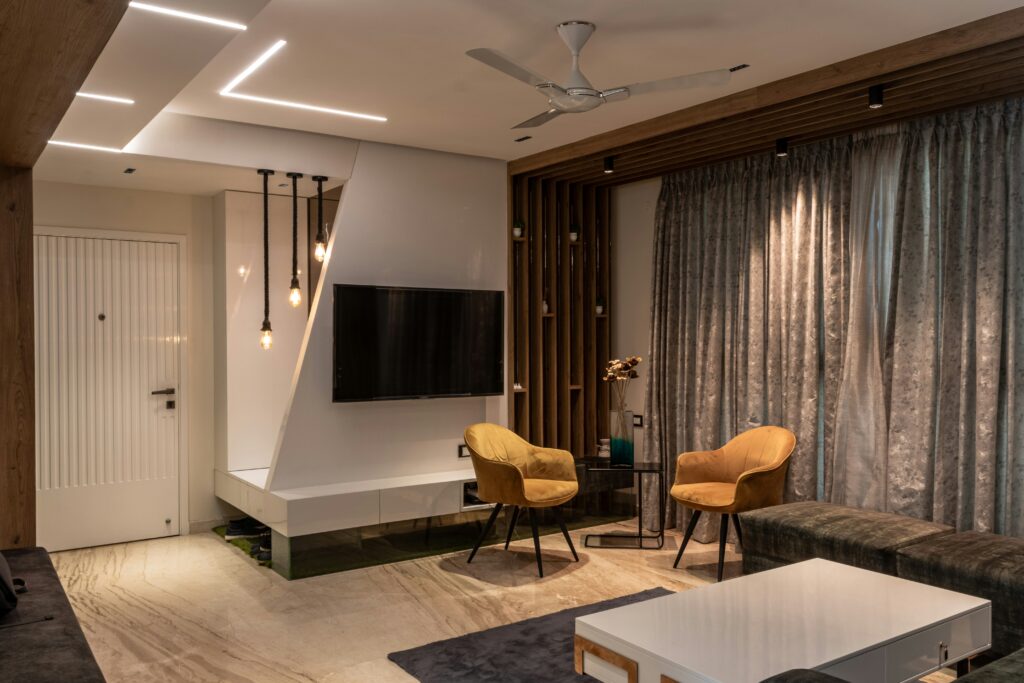
Creating indoor-outdoor spaces where you can barely tell where your lounge ends and your patio begins has become incredibly popular—and it’s easy to see why. People love the comfort of the indoors, but there’s something refreshing about being able to step into the garden in seconds. Features like folding doors, moveable walls, and matching flooring help blur the lines, so you’re never quite sure whether you’re inside or out. It’s all about enjoying the best of both worlds, whether you’re hosting a summer barbecue or just having a quiet breakfast with the birds.
Timber plays a starring role here for good reason. Its natural charm brings warmth and beauty, and it looks right at home, whether it’s inside the lounge or out on the terrace. Timber frame builds are known for being strong and long-lasting, so your beautiful space will stay that way for years. Plus, timber fits with all sorts of extras—think fireplaces, outdoor kitchens, or heating for chilly evenings—making these indoor-outdoor spots easy to enjoy all year round. The cosy feel of timber makes any space instantly more welcoming, and that’s exactly what these connected living areas are all about.
Benefits of Timber in Indoor-Outdoor Design
Timber is a smart choice for connecting indoor and outdoor spaces because it simply fits in, whatever the setting. Its natural warmth instantly lifts a room, and then carries that welcoming feeling through to patios and garden terraces, making the move from inside to out feel completely effortless. For inspiration on design possibilities, many homeowners consider the benefits of using timber in renovation projects.
Timber’s rich textures and earthy colours bring a classic charm, working as well with modern design as they do with more traditional looks. Exposed beams or handcrafted touches add a kind of relaxed, rustic character that you just can’t get with other materials. No matter where you sit—by the fire inside or outside under cover—timber makes the space feel more inviting.
There’s also the practical side. Timber stands up well to the British weather, so your indoor-outdoor areas keep looking great, rain or shine. The strength of timber frame construction means you can add features like retractable walls, fireplaces, or even full outdoor kitchen set-ups, without worrying about stability or ruining the style. Timber brings flexibility and strength to spaces, so you can comfortably enjoy them all year round.
Key Elements of Indoor-Outdoor Transitions
Timber structures like pergolas, pavilions and porches work wonders for blurring the line between inside and out. These additions do more than look good—they bring comfort and make everyday life more flexible.
Pergolas are brilliant for giving you a bit of shade while still letting the light through. Pair them with climbing plants or a retractable canopy and you’ve got a spot you can use whether it’s sunny or drizzly. Pavilions are more permanent and often become the heart of outdoor living, complete with comfy seating or even proper kitchens for big get-togethers. That means your garden becomes an extension of your living room, not just for summer but well into autumn or early spring.
Porches really come into their own once you add things like fireplaces or heating. Suddenly you’re enjoying fresh air with cosy toes, even when the temperature drops. If you want to go the extra mile, you can install retractable walls on any of these timber structures. That way, you can open everything up when the weather’s right, then close things off quickly if there’s a chill in the air.
Timber helps keep temperatures steady thanks to its good insulation, and strong, well-made timber builds stick around for decades with only a little care. These spaces don’t just look welcoming—they add value to your home by making the indoors and outdoors work beautifully together.
Incorporating Complementary Materials
Stone and Timber Integration
Blending stone with timber brings a sense of natural depth and interest to indoor-outdoor spaces. The varied texture and colour of stone pairs well with timber’s warmth, so you get a look that celebrates both materials without either feeling out of place.
When you use the same stone flooring inside as you do outside—think living room flowing straight out to a terrace—you end up with spaces that feel more open and visually unified. That consistent look tricks the eye and makes your home feel bigger, breezier, and brilliantly connected to the garden, instead of choppy or confined.
Stone accent walls work a treat too. A feature wall in the lounge, or a striking surround for an outdoor kitchen or patio, gives your home a boost of texture and a bit of wow factor, all while making the timber in the frames or pergolas feel even cosier and more inviting.
Outdoor additions, like a stone fireplace or built-in seating, are practical and stylish ways to keep the look running smoothly between both areas. They help tie the outside in with the inside, so your entire space feels thought through and perfectly comfortable, whether you’re lounging on the sofa or enjoying drinks in the fresh air.
Modern Applications with Steel
Steel is hard to beat when you want to bring a crisp, modern feel alongside the warmth of timber. Pair steel-framed doors or windows with timber, and you instantly get bigger views, more daylight, and a smooth transition between indoors and out. Those slim steel frames let the timber shine instead of overpowering it, while the industrial vibe gives the wood even more presence and style.
Adding steel railings or privacy screens can smarten up your design further. The neat, simple lines sit well next to timber, keeping outdoor areas light and airy while still making sure everyone’s safe. These railings never block out the view or make your space feel boxed in, and the added screens can give you a bit more privacy without making things feel closed off or heavy.
Mixing steel and timber isn’t just about looks. You get a space that works for real life and isn’t just pleasing to the eye. Together, they make living spaces feel strong, comfortable, and right up to date—without losing that touch of natural charm we all love.
Sustainability and Environmental Considerations
Timber packs a real punch when it comes to environmental benefits in home design. For starters, it’s a renewable resource, especially when sourced from forests where new trees are replanted regularly. This continual cycle of planting and growing makes timber a genuinely planet-friendly pick.
It’s not just about keeping forests healthy, either. Growing trees naturally soak up carbon dioxide from the air, giving them a starring role in cutting down the amount of CO2 floating around. Plus, turning timber into building material uses much less energy than producing steel or concrete, which means fewer emissions right from the start.
There’s another bonus: timber helps keep homes cosy in winter and cool in summer, thanks to its great insulating ability. That means you don’t have to rely as much on the heating or blast the air con, and that can make a real difference to your energy usage (and those dreaded bills). Over time, timber can help shrink your home’s carbon footprint—a win for you and the environment.
Key Design Strategies
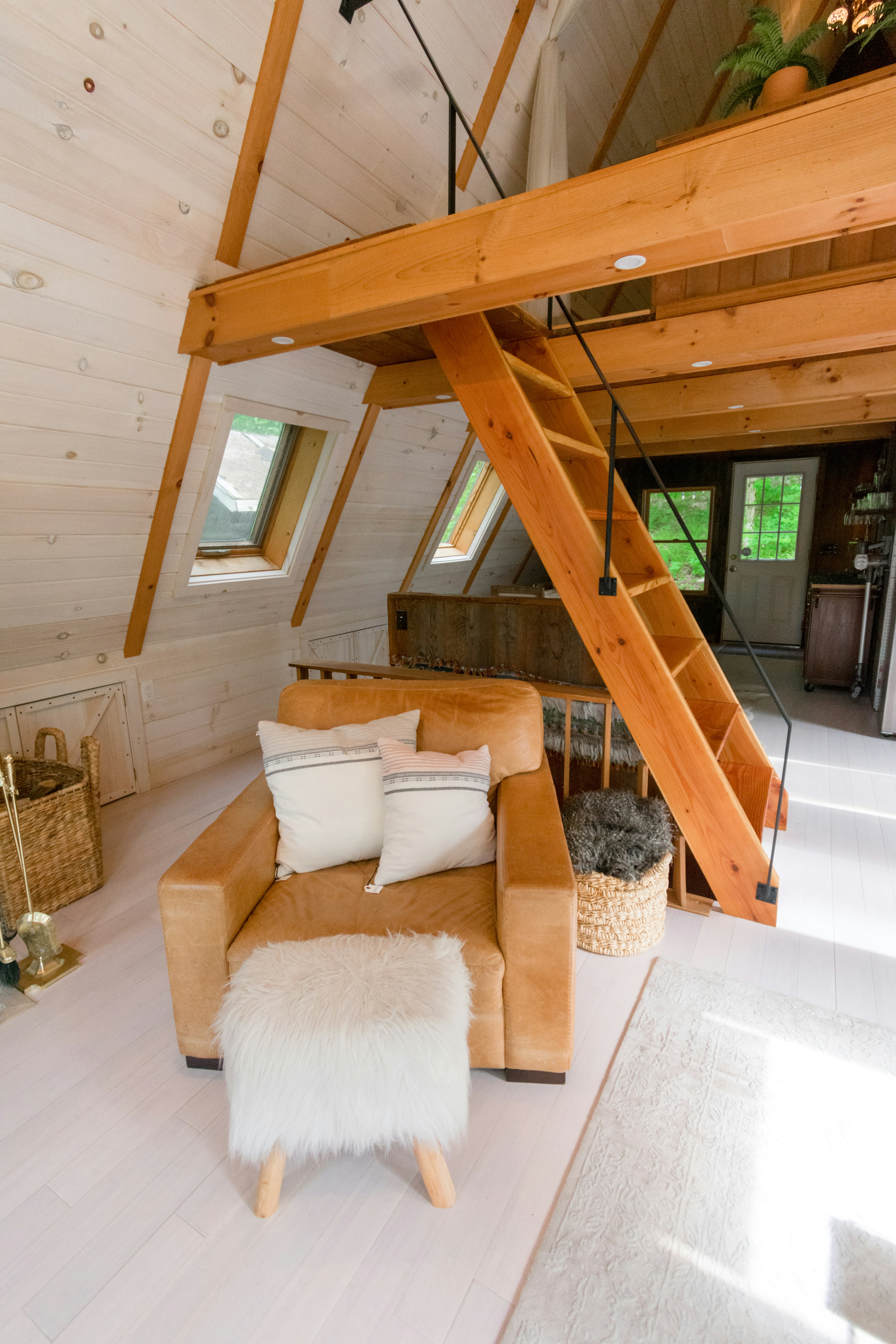
Getting the balance right between looks and practicality in indoor-outdoor spaces takes a bit of thoughtful planning. Comfort is a biggie; if you want to use these areas all year, think about adding heaters, ceiling fans, or clever shading exactly where you need it. These details can make the difference between a space you love and one you end up avoiding when the weather’s not ideal.
Privacy is worth considering too. Big, open connections between indoors and out can sometimes leave your home feeling a bit exposed. Smart planting, retractable screens, or architectural features can shield your space from nosy neighbours but still let the light in and keep things airy.
Materials matter. Stone and timber both score points for their natural beauty and durability, but they come with different care routines. Stone is tough but often needs sealing now and then to stop stains or weather damage. Timber looks fab too, but will want occasional TLC like sealing or treatments to stand up to damp and ward off insects, so it keeps its good looks for the long haul.
Choosing finishes that are long-lasting and can stand up to all sorts of weather will mean less time spent on maintenance and more time enjoying your space. Picking the right materials not only keeps things looking smart, it also helps your indoor-outdoor area stay welcoming and useful, year after year.
 Jodithina Krueger is the kind of writer who genuinely cannot publish something without checking it twice. Maybe three times. They came to real estate market trends through years of hands-on work rather than theory, which means the things they writes about — Real Estate Market Trends, Home Staging Techniques, Property Investment Strategies, among other areas — are things they has actually tested, questioned, and revised opinions on more than once.
That shows in the work. Jodithina's pieces tend to go a level deeper than most. Not in a way that becomes unreadable, but in a way that makes you realize you'd been missing something important. They has a habit of finding the detail that everybody else glosses over and making it the center of the story — which sounds simple, but takes a rare combination of curiosity and patience to pull off consistently. The writing never feels rushed. It feels like someone who sat with the subject long enough to actually understand it.
Outside of specific topics, what Jodithina cares about most is whether the reader walks away with something useful. Not impressed. Not entertained. Useful. That's a harder bar to clear than it sounds, and they clears it more often than not — which is why readers tend to remember Jodithina's articles long after they've forgotten the headline.
Jodithina Krueger is the kind of writer who genuinely cannot publish something without checking it twice. Maybe three times. They came to real estate market trends through years of hands-on work rather than theory, which means the things they writes about — Real Estate Market Trends, Home Staging Techniques, Property Investment Strategies, among other areas — are things they has actually tested, questioned, and revised opinions on more than once.
That shows in the work. Jodithina's pieces tend to go a level deeper than most. Not in a way that becomes unreadable, but in a way that makes you realize you'd been missing something important. They has a habit of finding the detail that everybody else glosses over and making it the center of the story — which sounds simple, but takes a rare combination of curiosity and patience to pull off consistently. The writing never feels rushed. It feels like someone who sat with the subject long enough to actually understand it.
Outside of specific topics, what Jodithina cares about most is whether the reader walks away with something useful. Not impressed. Not entertained. Useful. That's a harder bar to clear than it sounds, and they clears it more often than not — which is why readers tend to remember Jodithina's articles long after they've forgotten the headline.