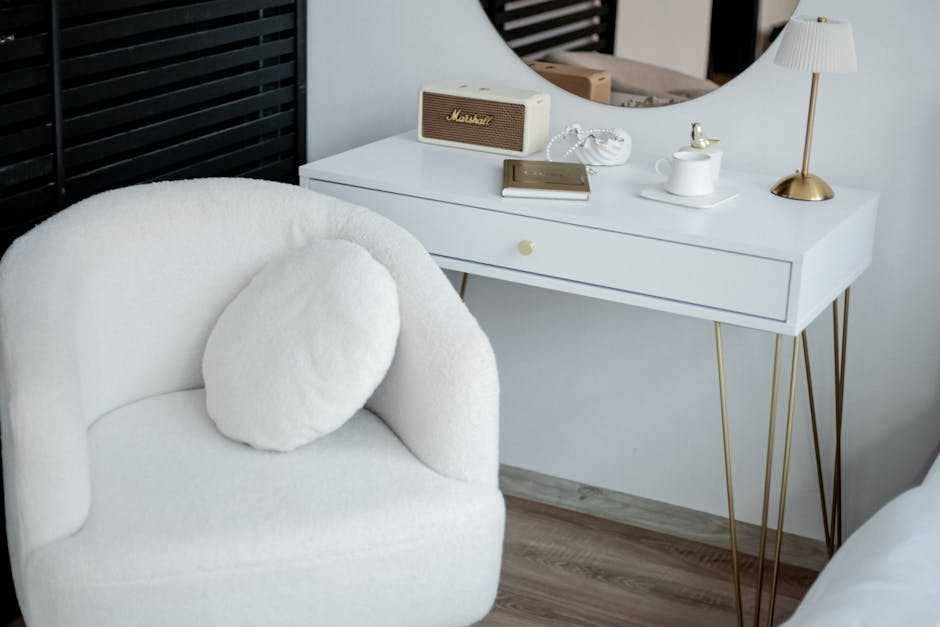
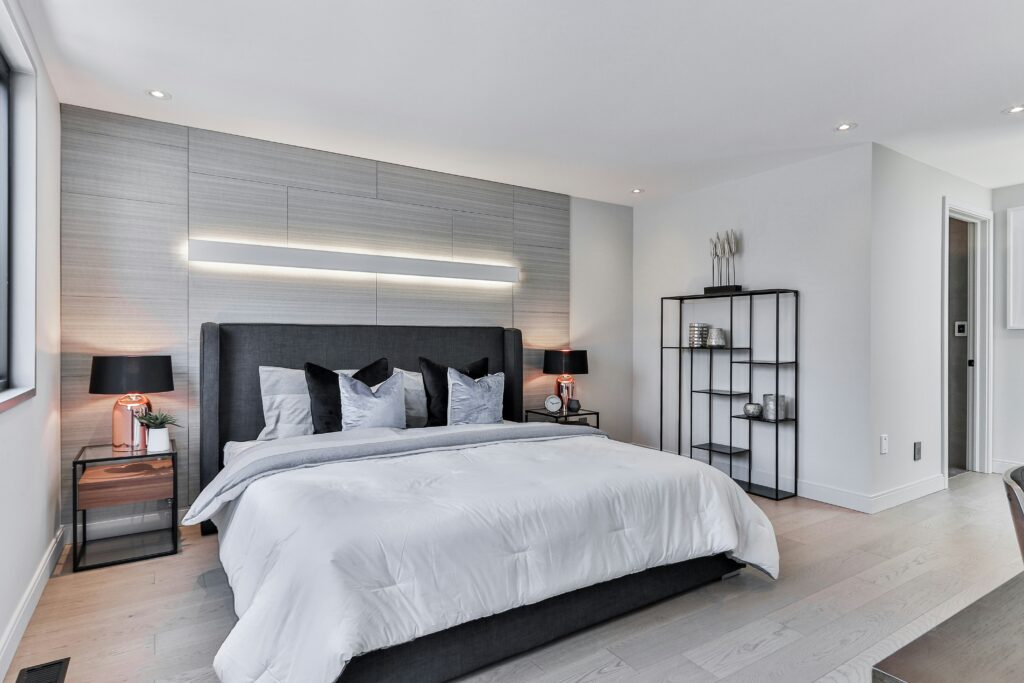
The bedroom is the only room in the house designed to do exactly one thing well. The kitchen is multifunctional. The living room is multifunctional. The home office, the dining area, even the bathroom all serve overlapping purposes. The bedroom, properly designed, exists almost entirely to support sleep and recovery. Everything else in the room is in service of that one function.
Yet most bedroom design starts somewhere else. The bed frame gets picked because it matches the colour scheme. The bedside tables get selected for proportion. The lighting gets chosen for ambiance. The mattress, the single object responsible for how the room actually performs its job, often gets bought separately, frequently from a different retailer, almost always after the rest of the room has already been committed to.
This is a closer look at the reversed approach that better-designed bedrooms tend to follow, and why interior designers working on premium projects increasingly build the room around the mattress rather than the other way around.
Why the mattress drives the rest of the design
A few practical reasons.
The mattress determines the height of the sleeping surface, which determines the appropriate bed frame height, which determines bedside table height, which determines lamp scale and shelf positioning. A 10-inch mattress on a low-profile platform bed creates a different visual line than a 16-inch hybrid on a traditional frame. The same room with the same other furnishings looks meaningfully different depending on which one is in it.
The mattress determines the actual mattress size, which determines the room’s spatial proportions. A queen versus king mattress in the same room produces different visual breathing room around the bed, different walkway clearances, and different relationships between the bed and the rest of the room’s furniture.
The mattress determines the bedding profile. Deeper mattresses require deeper fitted sheets and bigger bed skirts. Thinner mattresses look right with simpler bedding. Choosing the mattress after committing to a bedding aesthetic creates dissonance that even careful styling cannot fully resolve.
The mattress determines the room’s primary function performance. A poorly chosen mattress in a perfectly designed bedroom produces an aesthetically pleasing room that does not actually deliver good sleep. A well-chosen mattress in a moderately designed bedroom often produces better outcomes than the inverse. Many homeowners also search for services like ‘bed bug control near me’ when upgrading their sleep environment.
For interior designers, this hierarchy is worth taking seriously. The room’s primary purpose is sleep. The object responsible for sleep deserves to lead the design decisions rather than follow them.
What “leading the design” actually looks like in practice
Three principles separate bedrooms designed around the mattress from bedrooms designed around aesthetic intent first.
The first is choosing the mattress before the bed frame. The frame should be selected to support and present the specific mattress, not the other way around. A heavier hybrid mattress needs a frame with appropriate support. A deeper mattress works best on a lower profile frame to keep the overall bed height proportional. These decisions cascade from the mattress, not from the frame.
The second is choosing the mattress for the actual sleeper rather than the visual room. The right mattress depends on sleep position, body weight, partner considerations, climate, and personal preferences for firmness. None of these are visual considerations. A bedroom designed around the mattress accepts that the mattress decision is made on functional grounds, with the room then composed around it.
The third is treating mattress quality as part of the room’s premium budget allocation. In most bedrooms, the mattress is the single most consequential object for room function. Allocating a meaningful portion of the bedroom budget to it, rather than treating it as a residual line item, produces a room that performs better at its job.
What a well-designed luxury bedroom mattress looks like
For interior designers working on premium bedroom projects, the mattress decision has become more interesting in recent years. The luxury mattress category has evolved substantially, with hybrid construction (combining memory foam comfort layers with individually wrapped coil support systems) emerging as the dominant choice for premium bedrooms.
A genuinely well-designed luxury hybrid mattress combines materials that address multiple sleep variables simultaneously. Energex foam for responsive contouring. High-density memory foam for pressure relief. Individually wrapped coils for support and airflow. Reinforced perimeter coils to maximise the usable sleep surface (which directly affects how the bed reads visually in the room). An organic cotton cover for breathability and natural feel. A 7x airflow cooling system to address heat retention, which is the most common complaint about pure memory foam in luxury bedrooms.
Tiami, named Architectural Digest’s Best Design Pick of 2025 and ranking in the top 5 percent of tested mattresses overall, is built around this hybrid construction. The reason it has resonated with interior designers is not just clinical performance. It is that the construction supports the kind of bedroom design that actually delivers on the “sanctuary” framing most premium projects aim for.
How to actually approach the bedroom design
For homeowners or designers thinking about how to apply this approach, the sequence looks something like this.
Step one is identifying the actual sleep requirements. Position, partner, temperature preferences, firmness needs, recovery priorities. These are the inputs that drive mattress selection.
Step two is choosing the mattress. Hybrid is usually the right answer for luxury bedrooms because of its combination of comfort, cooling, support durability, and edge stability. The specific model depends on the sleep requirements identified in step one.
Step three is designing the bed frame around the mattress. Height, style, materials, and proportions all flow from the mattress choice.
Step four is composing the rest of the room. Bedside tables, lighting, art, textiles, and storage all get selected to work with the bed as the established focal point.
Step five is bedding. Fitted sheet depth, bed skirt length, pillow stack proportions, and duvet weight all flow from the mattress and frame decisions.
The sequence matters. Reversing it (designing the visual room first and adding the mattress at the end) is the most common cause of bedrooms that look beautiful but perform poorly.
The takeaway
The bedroom is one of the few rooms in a home where function and aesthetics are genuinely inseparable. A bedroom that looks beautiful but disrupts sleep is a failed design regardless of how it photographs. A bedroom that delivers excellent sleep but looks unfinished is also a failed design.
The way to get both right is to start with the object responsible for the primary function. Choose the mattress first, design the room around it, and let the rest of the decisions cascade from there.
For homeowners undertaking a bedroom renovation or designers working on a premium project, this reversed sequence is one of the more underrated approaches in modern interior design. The rooms that emerge from this process tend to outperform rooms designed in the conventional sequence on both fronts. They look composed, and they actually deliver the kind of sleep the design is supposed to enable.
The mattress is the centre of the bedroom. Designing as if that is true produces noticeably better outcomes.
Frequently Asked Questions
Why should I choose the mattress before the bed frame? Because the mattress determines key proportions of the bed (height, edge stability, weight) that affect which frames work well. Selecting the frame first often produces awkward proportions or insufficient support for the chosen mattress.
What is a hybrid mattress? A mattress that combines a comfort layer of memory foam (or similar foam materials) with an individually wrapped coil support system underneath. Hybrid construction is generally considered the most versatile for luxury bedrooms.
Why are hybrid mattresses popular in luxury bedroom design? Because they combine the pressure relief of memory foam with the airflow, edge support, and durability of coil systems. Hybrid mattresses tend to outperform pure foam mattresses on cooling and longevity, which matters in premium bedrooms.
Does mattress depth affect the visual proportions of the bed? Yes, significantly. A 10-inch mattress and a 16-inch mattress on the same frame produce very different overall bed heights, which affects every other element of the room’s vertical proportions.
Should the mattress be a featured design element or quietly invisible? Generally invisible from a styling perspective (bed-made with bedding covering it) but central to the design hierarchy. The mattress drives the room’s design decisions even when it is not visually prominent in the finished room.
What sleep position works best for hybrid mattresses? All major positions can work, with the right hybrid model. Side sleepers benefit from medium-soft hybrids with strong pressure relief. Back sleepers benefit from medium-firm hybrids with structured support. Stomach sleepers benefit from firmer hybrids that prevent the lower back from sinking.
How long should a quality mattress last? A well-built luxury hybrid mattress should perform well for 8 to 10 years, often longer. The most reliable indicator of quality is whether the mattress maintains its shape and support across years of use.
Does the mattress affect bedding choices? Yes. Fitted sheet depth, bed skirt length, and overall bedding proportions all depend on mattress depth and bed frame height. Choosing bedding before the mattress often produces fit and proportion problems.
Is a mattress trial period important? Yes. Reputable luxury mattress brands offer in-home trial periods, typically 90 nights or more. Bodies adjust to a new mattress over the first three to four weeks, so genuine assessment requires sleeping on it past that adjustment.
 Jodithina Krueger is the kind of writer who genuinely cannot publish something without checking it twice. Maybe three times. They came to real estate market trends through years of hands-on work rather than theory, which means the things they writes about — Real Estate Market Trends, Home Staging Techniques, Property Investment Strategies, among other areas — are things they has actually tested, questioned, and revised opinions on more than once.
That shows in the work. Jodithina's pieces tend to go a level deeper than most. Not in a way that becomes unreadable, but in a way that makes you realize you'd been missing something important. They has a habit of finding the detail that everybody else glosses over and making it the center of the story — which sounds simple, but takes a rare combination of curiosity and patience to pull off consistently. The writing never feels rushed. It feels like someone who sat with the subject long enough to actually understand it.
Outside of specific topics, what Jodithina cares about most is whether the reader walks away with something useful. Not impressed. Not entertained. Useful. That's a harder bar to clear than it sounds, and they clears it more often than not — which is why readers tend to remember Jodithina's articles long after they've forgotten the headline.
Jodithina Krueger is the kind of writer who genuinely cannot publish something without checking it twice. Maybe three times. They came to real estate market trends through years of hands-on work rather than theory, which means the things they writes about — Real Estate Market Trends, Home Staging Techniques, Property Investment Strategies, among other areas — are things they has actually tested, questioned, and revised opinions on more than once.
That shows in the work. Jodithina's pieces tend to go a level deeper than most. Not in a way that becomes unreadable, but in a way that makes you realize you'd been missing something important. They has a habit of finding the detail that everybody else glosses over and making it the center of the story — which sounds simple, but takes a rare combination of curiosity and patience to pull off consistently. The writing never feels rushed. It feels like someone who sat with the subject long enough to actually understand it.
Outside of specific topics, what Jodithina cares about most is whether the reader walks away with something useful. Not impressed. Not entertained. Useful. That's a harder bar to clear than it sounds, and they clears it more often than not — which is why readers tend to remember Jodithina's articles long after they've forgotten the headline.