

I get it. You want to do something for the environment, but you’re not sure where to start. Drawing can be a powerful tool.
It’s simple, it’s creative, and it can make a real impact.
pangangalaga sa kalikasan easy drawing is all about using your art to raise awareness. This guide is here to help. We’ll show you step-by-step how to create meaningful drawings that promote nature conservation.
You don’t need to be a professional artist. Anyone can do this. And trust me, it’s more than just pretty pictures.
It’s about making a statement.
So, are you ready to pick up a pencil and make a difference? Let’s dive in.
Understanding Nature Conservation
Nature conservation is about protecting and preserving the natural world. It’s crucial because it ensures we have a healthy planet for future generations.
“Why should we care?” you might ask. Well, let’s put it this way: without nature, we wouldn’t have clean air, fresh water, or even the food we need to survive.
Key Environmental Issues
Deforestation, pollution, and wildlife extinction are major challenges. These issues don’t just affect animals; they impact our lives too. For example, deforestation can lead to soil erosion and loss of biodiversity, which in turn affects our food supply.
- Deforestation
- Pollution
- Wildlife extinction
The Role of Art
Art has a unique power to raise awareness and inspire action. I once spoke with an artist who said, “Art can make people feel something. It can make them stop and think.”
Think about those simple drawings, like pangangalaga sa kalikasan easy drawing. They can convey a powerful message in a way that words sometimes can’t.
Artists often use their work to highlight environmental issues. A mural on a city wall, a sculpture in a park, or even a painting in a gallery can spark conversations and drive change.
So, next time you see a piece of art, take a moment to reflect. It might be more than just a pretty picture.
Materials Needed for Easy Drawing
I remember when I first started drawing. I had this old, beat-up pencil and a stack of loose-leaf paper. It was enough to get me going, but as I got more into it, I realized I needed a bit more.
Basic Supplies
First off, you’ll need some pencils. A simple set of graphite pencils (2B, 4B, and 6B) will do. They give you a good range for sketching and shading.
Next, erasers. A kneaded eraser is great for light touch-ups, and a regular white eraser for those bigger mistakes.
Of course, paper is essential, and start with a basic sketchbook. Nothing fancy, just something that can handle your pencil work without tearing.
Lastly, coloring tools , and colored pencils are a good start. They’re easy to control and blend well.
Optional Supplies
If you want to add more detail, consider watercolors. They can bring a soft, dreamy quality to your drawings.
Markers are another option, and they’re perfect for bold, vibrant colors. Just make sure to get ones that won’t bleed through your paper.
Pastels can add a unique texture and depth. They’re a bit messier, but the results can be stunning.
One time, I was working on a pangangalaga sa kalikasan easy drawing, and I used pastels to create a soft, natural look. It really brought the scene to life.
So, whether you’re sticking to the basics or adding some extra flair, these materials will help you get started and keep you inspired.
Step-by-Step Guide to Drawing for Nature Conservation
Choosing a Subject: Select a nature-related theme (e.g., trees, animals, landscapes) that resonates with you. This is your chance to connect with what you love about the natural world.
Sketching the Outline: Start with light, simple lines to create the basic shape of your subject. Don’t worry if it’s not perfect; the goal is to get a feel for the form.
Adding Details: Gradually add more details to make your drawing more realistic and engaging. This step can be as intricate or as simple as you like. pangangalaga sa kalikasan
Using Color: Add color to bring your drawing to life and make it visually appealing. Colors can highlight the beauty of nature and draw attention to your message.
- Choose a nature-related theme.
- Sketch the outline lightly.
- Add details gradually.
- Use color to enhance your drawing.
Some might argue that drawing isn’t an effective way to support nature conservation. They might say it’s just a hobby and doesn’t have a real impact. But here’s the thing: art has always been a powerful tool for raising awareness and inspiring change.
When you draw, you’re not just creating something beautiful; you’re also sharing a message. Your drawings can spark conversations and inspire others to take action.
Pangangalaga sa kalikasan easy drawing can be a simple yet impactful way to contribute. It’s not about being a professional artist but about using your creativity to spread the word. So, pick up that pencil and start drawing.
You never know who might see your work and be moved to do something for the environment.
Examples of Easy Drawings for Nature Conservation
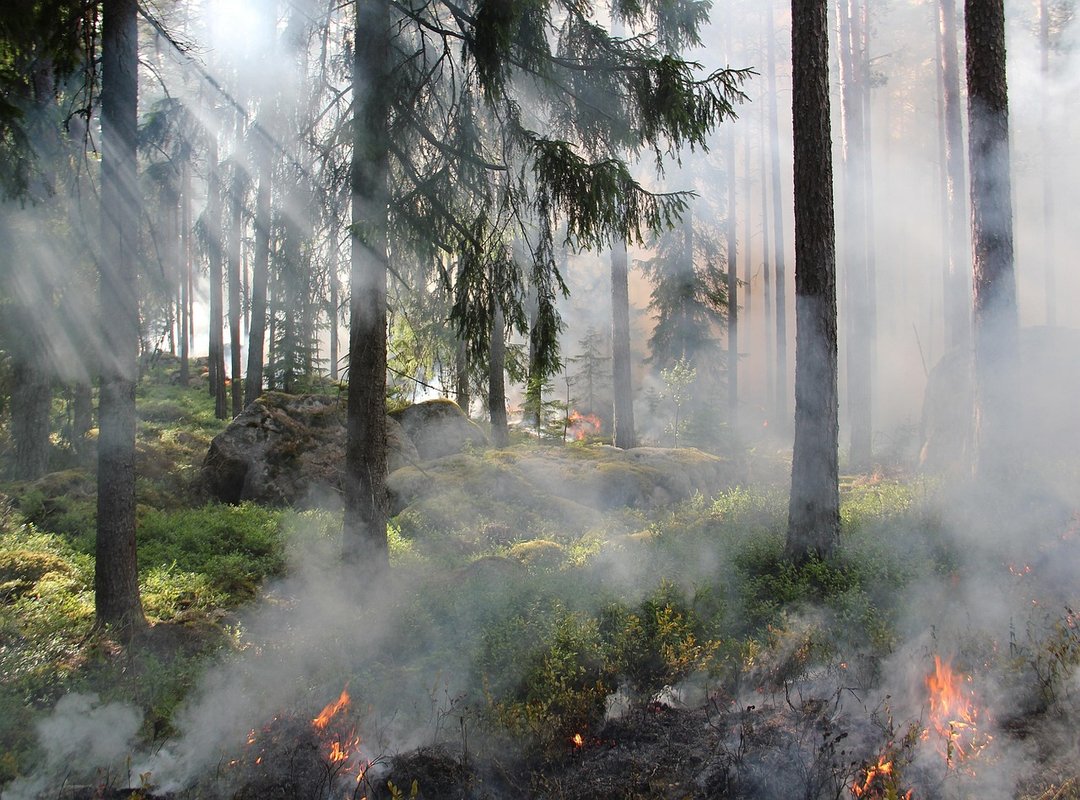
I love drawing, and I think it’s a great way to connect with nature. Let’s start with a tree.
Tree Drawing
First, draw the trunk, and nice and sturdy. Then add some branches, making them reach out like arms.
Finally, fill in the leaves. It’s simple, but it makes you appreciate how trees are the lungs of our planet. They provide oxygen, shelter, and even help combat climate change.
Now, let’s move on to an endangered animal.
Animal Drawing
Drawing a tiger is easier than you might think. Start with the basic shape of its body, then add the legs and tail. Don’t forget those distinctive stripes!
Tigers are crucial for maintaining the balance in their ecosystems. Sadly, they face threats from poaching and habitat loss. By drawing them, we can raise awareness and support for their protection.
Next up, a landscape.
Landscape Drawing
Draw a horizon line first. Add mountains or hills, and then some trees and a river. It’s all about capturing the beauty of the natural world.
Landscapes remind us why pangangalaga sa kalikasan easy drawing is so important. Preserving these habitats ensures that future generations can enjoy the same beauty and biodiversity we do today.
Drawing is not just a hobby; it’s a way to connect and care.
Tips for Effective Nature Conservation Art
Simplicity: Keep your drawings simple and clear. This makes them accessible to a wide audience.
- Use basic shapes and lines.
- Avoid overly detailed or complex designs.
Message: Incorporate a strong, clear message about why nature conservation is important.
- Highlight the impact of human activities on wildlife.
- Show the beauty and importance of natural habitats.
Engagement: Use your drawings to engage others in conversations about environmental issues.
- Create art that sparks curiosity and questions.
- Share your work on social platforms to reach a broader audience.
Pangangalaga sa kalikasan easy drawing can be a great way to start. Simple, clear, and impactful.
Frequently Asked Questions (FAQs)
Q: Do I need to be a professional artist to create nature conservation drawings?
A: No, anyone can create meaningful drawings with practice and passion. I started drawing just for fun, and now my sketches are used in local campaigns.
Q: How can I share my drawings to raise awareness?
A: Share your drawings on social media, in local community events, and in educational settings. I once shared a pangangalaga sa kalikasan easy drawing at a school fair, and it sparked a lot of interest among the kids.
Empowering Through Art
Start by choosing simple, recognizable elements of nature. Use basic shapes and lines to create your drawings. Keep the details minimal to make the drawing process easier and more accessible.
pangangalaga sa kalikasan easy drawing can be a powerful tool for raising awareness. These drawings can capture the beauty of nature and highlight the importance of its conservation. They serve as a visual reminder of our responsibility towards the environment.
Share your creations on social media or in your community. Encourage others to join in and spread the message further. Every drawing is a step towards inspiring action and making a positive impact.
 Scotty Cregerons writes the kind of buying and selling guides content that people actually send to each other. Not because it's flashy or controversial, but because it's the sort of thing where you read it and immediately think of three people who need to see it. Scotty has a talent for identifying the questions that a lot of people have but haven't quite figured out how to articulate yet — and then answering them properly.
They covers a lot of ground: Buying and Selling Guides, Real Estate Market Trends, Expert Insights, and plenty of adjacent territory that doesn't always get treated with the same seriousness. The consistency across all of it is a certain kind of respect for the reader. Scotty doesn't assume people are stupid, and they doesn't assume they know everything either. They writes for someone who is genuinely trying to figure something out — because that's usually who's actually reading. That assumption shapes everything from how they structures an explanation to how much background they includes before getting to the point.
Beyond the practical stuff, there's something in Scotty's writing that reflects a real investment in the subject — not performed enthusiasm, but the kind of sustained interest that produces insight over time. They has been paying attention to buying and selling guides long enough that they notices things a more casual observer would miss. That depth shows up in the work in ways that are hard to fake.
Scotty Cregerons writes the kind of buying and selling guides content that people actually send to each other. Not because it's flashy or controversial, but because it's the sort of thing where you read it and immediately think of three people who need to see it. Scotty has a talent for identifying the questions that a lot of people have but haven't quite figured out how to articulate yet — and then answering them properly.
They covers a lot of ground: Buying and Selling Guides, Real Estate Market Trends, Expert Insights, and plenty of adjacent territory that doesn't always get treated with the same seriousness. The consistency across all of it is a certain kind of respect for the reader. Scotty doesn't assume people are stupid, and they doesn't assume they know everything either. They writes for someone who is genuinely trying to figure something out — because that's usually who's actually reading. That assumption shapes everything from how they structures an explanation to how much background they includes before getting to the point.
Beyond the practical stuff, there's something in Scotty's writing that reflects a real investment in the subject — not performed enthusiasm, but the kind of sustained interest that produces insight over time. They has been paying attention to buying and selling guides long enough that they notices things a more casual observer would miss. That depth shows up in the work in ways that are hard to fake.