
You’re here because you want to understand what it means to be a Malay lesbian . I get it, and it’s not easy.
Balancing a rich cultural heritage with your personal identity can feel like walking a tightrope. This article is for you, to provide information and a sense of community. We’ll explore the challenges, joys, and realities of this intersection.
It’s a space of support, where we can talk about the complexities of cultural expectations, faith, and personal truth. Let’s dive in.
Understanding the Cultural and Legal Landscape in Malaysia
In Malaysia, same-sex relationships are not legally recognized. The law, specifically Section 377 of the Penal Code, criminalizes “carnal intercourse against the order of nature.” This can lead to significant legal and social challenges for LGBTQ+ individuals.
Culturally, especially within the Malay community, traditional norms often view gender and sexuality in a binary and heteronormative way. These views are deeply ingrained and can make it tough for people to express their true identities openly.
Islam plays a major role in shaping public and private attitudes. Many interpretations of Islamic teachings are conservative, which can influence how LGBTQ+ individuals are treated. This can create a hostile environment, particularly in more rural areas.
However, the lived realities can vary widely. In urban areas, there’s often more acceptance and support. Some individuals find safe spaces and communities where they can be themselves.
For many, navigating this landscape means leading a public vs. private life. They might keep their personal lives separate from their public personas for safety and self-preservation.
Understanding these dynamics can help you better support and empathize with MALAY LESBIAN and other LGBTQ+ individuals in Malaysia. Knowing the cultural and legal context can also guide you in making informed decisions and advocating for change.
Personal Journeys: Family, Faith, and Self-Acceptance
Exploring the journey of self-discovery and acceptance can be a rollercoaster. Feelings of isolation or confusion are common, especially when you’re trying to figure out who you are.
Family dynamics add another layer of complexity. There’s often a tug-of-war between traditional expectations and the desire for authenticity. It’s tough, but it’s real.
Coming out isn’t a one-time event. For many, it’s a personal and ongoing process. And it’s not always safe or right for everyone.
That’s something we need to respect.
The struggle with faith is another big part of this. Many people find themselves at odds with their spiritual beliefs and their personal identities. It’s a hard road, but some manage to hold both in a way that feels true to them.
Self-compassion is key. Building a strong sense of self-worth in an environment that may not be affirming is a challenge. But it’s possible.
It takes time and effort, but it’s worth it.
In the future, I think we’ll see more support systems and communities forming. These will help individuals navigate these complex journeys. (It’s already happening, but there’s more to come.) malay lesbian
For the malay lesbian community, for example, finding spaces where they can be open and accepted is crucial. It’s about creating a world where everyone can live authentically, no matter what.
So, while the journey is tough, there’s hope. We’re moving toward a more inclusive and understanding society. And that’s a good thing.
Finding Your Community and Building Support Systems
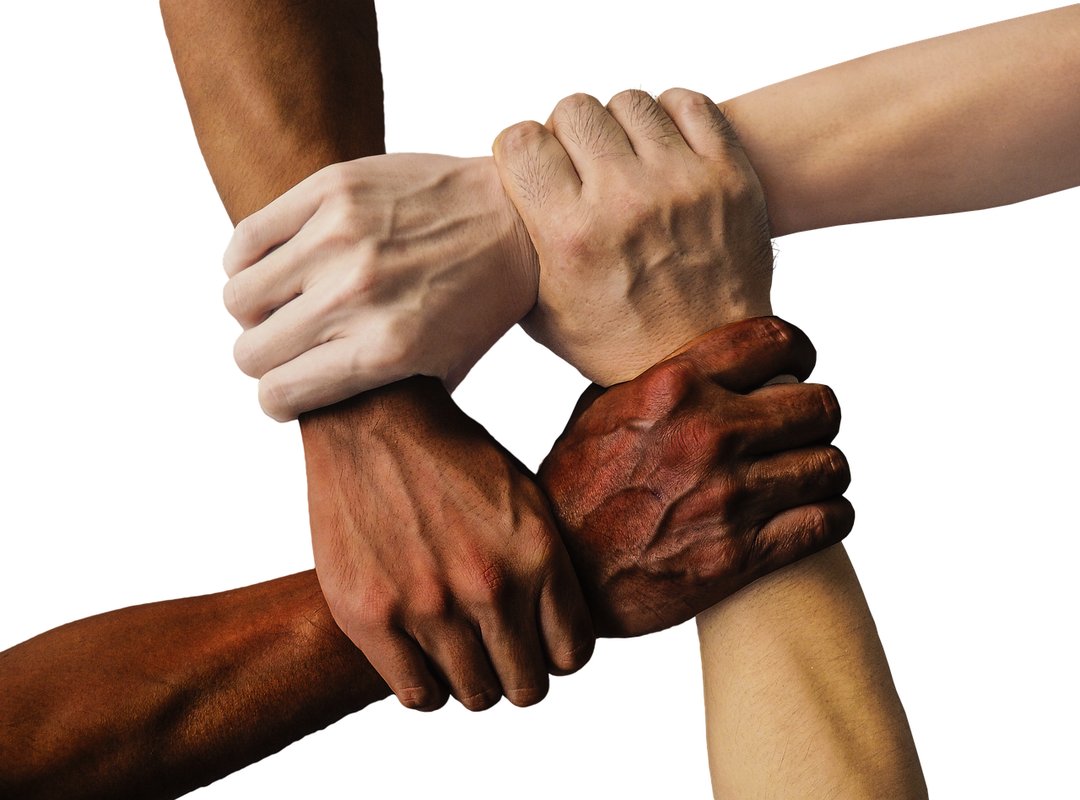
Have you ever felt like no one really gets you? I know I have. That’s where community and ‘chosen family’ come in.
They offer the support, understanding, and acceptance that can be hard to find elsewhere.
Online spaces, like private forums, social media groups, and dedicated websites, are becoming safe havens for connection. These platforms allow people to share their experiences and find others who truly understand them. For instance, a malay lesbian might find a supportive group online that provides a sense of belonging and validation.
Grassroots organizations and advocacy groups also play a huge role. They provide resources, support, and a sense of solidarity. It’s important to know these groups exist and are there to help.
But how do you find and vet these safe communities? Start by checking the group’s rules and guidelines. Look for active moderation and a clear stance on privacy and safety.
Reach out to members and ask about their experiences. Trust your gut.
Connecting with others who share similar experiences can combat feelings of isolation. It empowers you, makes you feel less alone, and gives you a network of people who genuinely care. Isn’t that what we all need?
The Growing Importance of Visibility and Representation
Seeing yourself in media, art, and literature is powerful. It can validate your identity and make you feel less alone. Even subtle or coded representation matters.
malay lesbian stories, for example, can provide a sense of belonging to those who rarely see themselves in mainstream narratives. Allies play a crucial role too. They help create more accepting environments both online and offline.
Small acts of visibility and storytelling within trusted circles are important. They contribute to a larger, gradual shift in cultural understanding.
Pro tip: Share and support diverse content creators. Every like, share, and comment helps amplify their voices.
Embracing Your Full Identity with Hope and Strength
It is entirely possible to embrace being both malay lesbian and to integrate all parts of your identity with pride. Each person’s journey is unique, and there is no single ‘right’ way to live or express who you are.
Find strength in knowing that many others share similar experiences. Seek out safe support systems where you can find understanding and solidarity. You are not alone.
Remember, your identity is valid and deserving of respect. Embrace it with hope and resilience.
 Jodithina Krueger is the kind of writer who genuinely cannot publish something without checking it twice. Maybe three times. They came to real estate market trends through years of hands-on work rather than theory, which means the things they writes about — Real Estate Market Trends, Home Staging Techniques, Property Investment Strategies, among other areas — are things they has actually tested, questioned, and revised opinions on more than once.
That shows in the work. Jodithina's pieces tend to go a level deeper than most. Not in a way that becomes unreadable, but in a way that makes you realize you'd been missing something important. They has a habit of finding the detail that everybody else glosses over and making it the center of the story — which sounds simple, but takes a rare combination of curiosity and patience to pull off consistently. The writing never feels rushed. It feels like someone who sat with the subject long enough to actually understand it.
Outside of specific topics, what Jodithina cares about most is whether the reader walks away with something useful. Not impressed. Not entertained. Useful. That's a harder bar to clear than it sounds, and they clears it more often than not — which is why readers tend to remember Jodithina's articles long after they've forgotten the headline.
Jodithina Krueger is the kind of writer who genuinely cannot publish something without checking it twice. Maybe three times. They came to real estate market trends through years of hands-on work rather than theory, which means the things they writes about — Real Estate Market Trends, Home Staging Techniques, Property Investment Strategies, among other areas — are things they has actually tested, questioned, and revised opinions on more than once.
That shows in the work. Jodithina's pieces tend to go a level deeper than most. Not in a way that becomes unreadable, but in a way that makes you realize you'd been missing something important. They has a habit of finding the detail that everybody else glosses over and making it the center of the story — which sounds simple, but takes a rare combination of curiosity and patience to pull off consistently. The writing never feels rushed. It feels like someone who sat with the subject long enough to actually understand it.
Outside of specific topics, what Jodithina cares about most is whether the reader walks away with something useful. Not impressed. Not entertained. Useful. That's a harder bar to clear than it sounds, and they clears it more often than not — which is why readers tend to remember Jodithina's articles long after they've forgotten the headline.