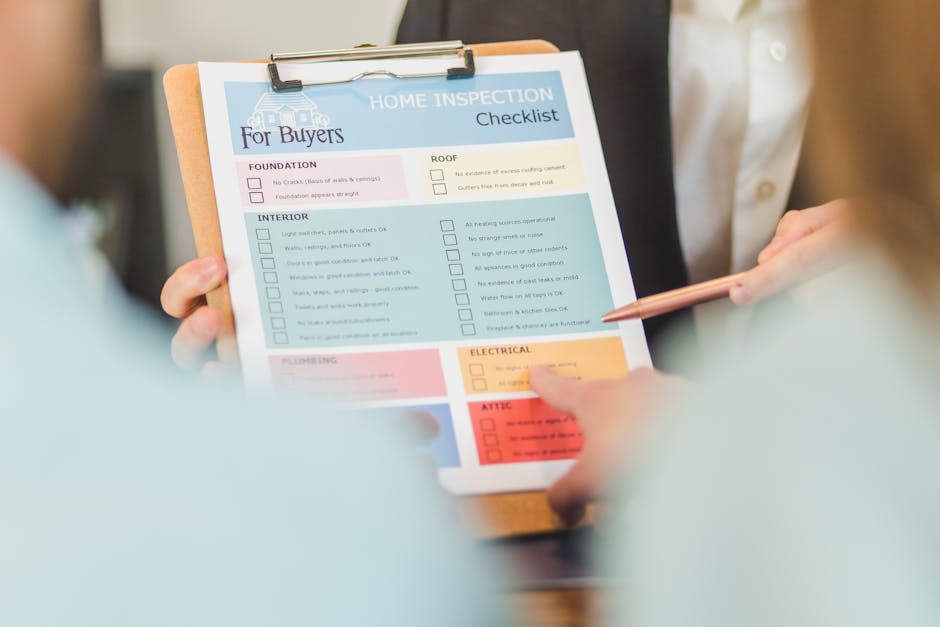
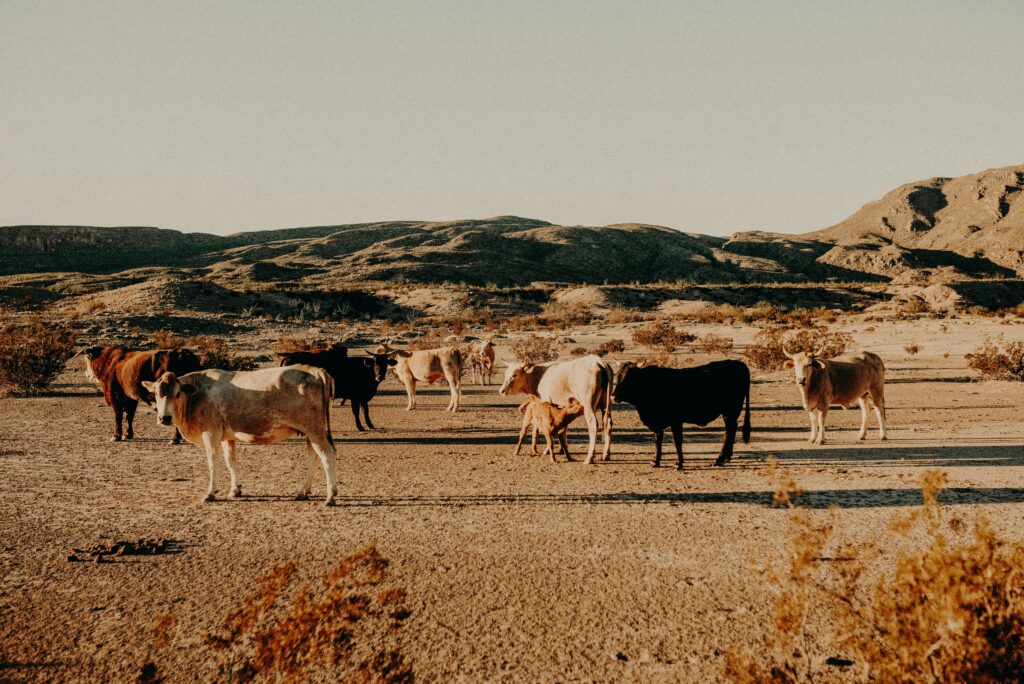
In 2026, the dream of owning a piece of the Lone Star State has never been more alive. Texas land has become the ultimate “blue-chip” asset as we move through a world where working from home is the norm, and the desire to be self-sufficient is at an all-time high. People are coming to the South to plant stakes and build legacies, whether it’s in the rolling hills of the Hill Country, the piney woods of East Texas, or the wide-open spaces of West Texas.
For people who are new to it, buying raw land can feel like the Wild West: big, exciting, and maybe even lawless if you don’t know the rules. This guide will help you confidently navigate the 2026 market, making sure that your investment in Texas Land For Sale is as solid as the ground beneath your feet.
Why should you buy land in Texas in 2026?
Texas has always been a place where businesses can grow, but 2026 will be a major turning point in the state’s growth.
A lot of people are moving in.
The “Texas Miracle” goes on. Migration patterns from both the West and East Coasts have reached a steady state, which has led to huge growth in suburban and rural areas. Five years ago, places that were thought to be “in the middle of nowhere” are now thriving satellite communities. Getting ahead of the infrastructure curve means buying land now.
No Benefit of State Income Tax
This gives residents and investors a lot of financial security. You can use the money you save on taxes to make improvements to your land, like clearing brush, drilling wells, or building that custom ranch home.
Land Use Options That Are Flexible
Texas is a great place to live because it gives you a lot of freedom. Texas is different from many other states with strict land-use laws because it has many options:
- Building a home: Making a private place away from the noise of the city.
- Ranching and farming: using “Ag Exemptions” to pay less in property taxes.
- For fun: private hunting grounds or ATV trails on the weekends.
- Long-term investment: Keeping land as a way to protect yourself from inflation.
Step 1: Figure out why you want to buy land.
In 2026, the “purpose” of the land will determine all future legal and financial problems.
If you’re building a main home, it has to be close to high-speed fibre-optic internet and reliable power grids. But if you’re looking for land to farm or hunt on, you might put more value on water sources and wildlife density than on cell phone reception.
How your goal affects your search:
Location: A vacation home should be close to a lake or state park, and an investment property should be close to a highway that is getting bigger.
Zoning: Make sure the land is zoned for what you want to do with it (for example, some plots don’t allow mobile homes or certain types of livestock).
Land: A “ranchette” might only need 10 to 20 acres, but a working cattle ranch needs a lot more.
Step 2: Make a budget that you can stick to
A lot of new people make the mistake of thinking that the “asking price” is the “closing price.” When you buy land, the price of the land is often just the entry fee.
Cost of Land vs. Cost of Development
In 2026, changes in the supply chain and higher labor costs mean you need to plan for the “hidden” costs:
- Survey: Always get a new survey to make sure the boundaries are correct before you buy land.
- Utilities: It can cost thousands of dollars per pole to bring electricity to a remote lot. Is there a rural water supply, or does the land need a well?
- Septic: Most land in Texas needs its own septic system. You have to do “perc” tests on the soil to find out what kind of system you can put in.
- Road Access: If the land is “landlocked,” you will need a legal easement. If the ground is just rough, you should plan on having a gravel or paved driveway.
Ways to Pay for It
Land loans are not the same as regular 30-year fixed-rate mortgages. In 2026, lenders usually want:
- Higher Down Payments: You should expect to put down between 20% and 35%.
- Shorter Terms: Most land loans last between 10 and 20 years.
- Interest Rates: Because banks see land as a higher risk, these loans usually have interest rates that are 1% to 2% higher than regular home loans.
Step 3: Pick the Best Place in Texas
Texas is really a bunch of different states put together. You should choose a place that fits your lifestyle and how much risk you’re willing to take.
Land in the country vs. land in the suburbs
Suburban land (close to Collin or Williamson counties) goes up in value faster, but property taxes are higher, and there are more rules. Rural land (like the Panhandle or Deep East Texas) is less expensive to get into and gives you more freedom, but it takes longer to get to services.
Close to Major Hubs
- Dallas-Fort Worth: There is a lot of demand for “ranchettes” within 90 minutes of driving.
- Austin/Hill Country is the most expensive and desirable area, with limestone hills and springs.
- Houston: Look to the north (Piney Woods) or south (Coastal) for a variety of chances.
- San Antonio is a gateway to both the Hill Country and the brush country of South Texas.
Things to think about for the environment
The weather in Texas is famous. You need to look into:
- Flood Zones: Ask your neighbors and use the FEMA maps. There is no joke about Texas flash floods.
- Is the soil “Blackland Prairie” clay, which can shift and crack foundations, or is it sandy loam?
- Access: Will people be able to use the road during the rainy season?
Step 4: Know the rules about zoning and land
There are still rules in the “Wild West.” People who are new to zoning often think that “no zoning” means they can do whatever they want, but that’s not always true.
Zoning vs. Unincorporated: You have more freedom in unincorporated areas, but you still have to follow the rules for septic and water set by the county health department.
HOAs and POAs: Even in the country, Property Owners Associations can tell you how big your house has to be or whether you can keep bees or chickens.
These deed restrictions stay with the land no matter who owns it. They might not let mobile homes or businesses run on their land.
Water Rights: In Texas, just because you own the land on top of the water doesn’t mean you have full rights to the water below it or the minerals (oil and gas) below that. Always talk to a real estate lawyer about “Mineral Rights” and “Water Rights.”
Final Thoughts
It would be a great chance to protect your future and enjoy Texas’s unique freedom to buy land there in 2026. But you have to change your way of thinking from “buyer” to “investor.” You can avoid the mistakes that many beginners make by knowing your goals, making a budget for development, and doing your research on water rights and restrictions.
The land isn’t making any more of itself, and in a state like Texas that is growing so quickly, the best time to plant your roots was yesterday. Today is the second-best time. Good luck with your land search!
 Jodithina Krueger is the kind of writer who genuinely cannot publish something without checking it twice. Maybe three times. They came to real estate market trends through years of hands-on work rather than theory, which means the things they writes about — Real Estate Market Trends, Home Staging Techniques, Property Investment Strategies, among other areas — are things they has actually tested, questioned, and revised opinions on more than once.
That shows in the work. Jodithina's pieces tend to go a level deeper than most. Not in a way that becomes unreadable, but in a way that makes you realize you'd been missing something important. They has a habit of finding the detail that everybody else glosses over and making it the center of the story — which sounds simple, but takes a rare combination of curiosity and patience to pull off consistently. The writing never feels rushed. It feels like someone who sat with the subject long enough to actually understand it.
Outside of specific topics, what Jodithina cares about most is whether the reader walks away with something useful. Not impressed. Not entertained. Useful. That's a harder bar to clear than it sounds, and they clears it more often than not — which is why readers tend to remember Jodithina's articles long after they've forgotten the headline.
Jodithina Krueger is the kind of writer who genuinely cannot publish something without checking it twice. Maybe three times. They came to real estate market trends through years of hands-on work rather than theory, which means the things they writes about — Real Estate Market Trends, Home Staging Techniques, Property Investment Strategies, among other areas — are things they has actually tested, questioned, and revised opinions on more than once.
That shows in the work. Jodithina's pieces tend to go a level deeper than most. Not in a way that becomes unreadable, but in a way that makes you realize you'd been missing something important. They has a habit of finding the detail that everybody else glosses over and making it the center of the story — which sounds simple, but takes a rare combination of curiosity and patience to pull off consistently. The writing never feels rushed. It feels like someone who sat with the subject long enough to actually understand it.
Outside of specific topics, what Jodithina cares about most is whether the reader walks away with something useful. Not impressed. Not entertained. Useful. That's a harder bar to clear than it sounds, and they clears it more often than not — which is why readers tend to remember Jodithina's articles long after they've forgotten the headline.