
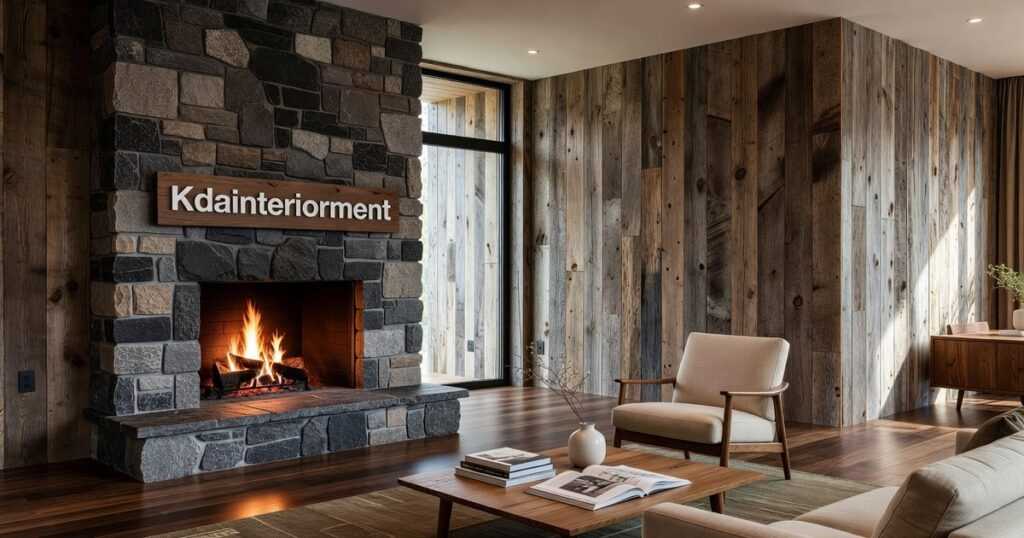
I’ve worked on hundreds of properties in Westborough, and I still hear the same question: “Isn’t interior design just picking out nice furniture?”
No. It’s not.
You’re here because you sense there’s more to it. Maybe you tried decorating a room yourself and something felt off. Or you hired someone who made things look pretty but the space still doesn’t work.
Interior design isn’t decoration with a fancier name.
It’s about how people move through space. How light changes a room’s function. Why some layouts make you feel calm while others create tension you can’t quite explain.
I’m going to show you what makes interior design unique. The technical side most people never see. The psychology behind why certain spaces feel right. The spatial planning that happens before a single piece of furniture gets chosen.
This comes from years of transforming properties and watching what actually works. Not theory from a textbook. Real applications in real homes.
You’ll understand why interior design is its own profession. Why it requires specific knowledge that goes way beyond having good taste.
We’re talking about the difference between a room that looks good in photos and a space that actually improves how you live.
The Foundational Distinction: Interior Design vs. Interior Decoration
I was at a client meeting last week when someone asked me, “So you just pick out furniture and paint colors, right?”
I hear this all the time.
And honestly, I don’t blame people for thinking that way. The terms get thrown around interchangeably. But here’s what I told her.
“If your living room needs new curtains and a fresh coat of paint, you need a decorator. If you want to knock down that wall and figure out where the electrical outlets should go, you need a designer.”
She paused. “Wait, there’s actually a difference?”
There is. And it matters more than you think.
What Decoration Really Means
Decoration is about the surface. It’s choosing the right sofa for your space. Picking colors that work together. Finding accessories that tie the room together.
A decorator walks into a room and asks, “How can I make this look better?”
They work with what’s already there. The walls stay where they are. The layout doesn’t change. But when they’re done, the space feels completely different.
It’s not shallow work. Good decoration takes real skill. But it operates within existing boundaries.
What Design Actually Involves
Interior design goes deeper.
I remember a project where the homeowner said, “I need more storage in my kitchen.” A decorator would’ve suggested prettier cabinets or better organization systems.
But I looked at the space and realized the problem wasn’t storage. It was flow. The kitchen layout made no sense for how she actually cooked.
That’s what makes architecture unique kdainteriorment brings to every project. We don’t just dress up spaces. We rethink how they work.
Design is about understanding how people move through a room. Where they need light. How they’ll use the space on a Tuesday morning versus a Saturday night.
It involves spatial planning, building codes, and electrical layouts. Sometimes it means moving walls. Other times it’s about creating zones within an open floor plan.
A designer asks, “How can I make this space work for the people who live here?”
The Real Difference
Think of it this way.
A decorator furnishes the room. A designer can change the room itself.
One works with the bones of the space. The other creates them.
Some people say this distinction doesn’t matter. They argue that if a space looks good, who cares how you got there?
But here’s what they’re missing. You can’t decorate your way out of a bad layout. No amount of pretty pillows will fix a kitchen where the fridge is too far from the counter. Ultimately, no level of Kdainteriorment can compensate for a poorly designed space, as aesthetic choices alone cannot remedy fundamental functional flaws. Ultimately, the success of any gaming space hinges on functionality over flair, as no amount of Kdainteriorment can make up for a layout that fails to meet the practical needs of its users.
Design addresses the foundation. Decoration adds the finishing touches.
Both matter. But they’re not the same thing.
Characteristic 1: The Science of Spatial Planning
Most people think interior design is about picking pretty colors and arranging furniture.
They’re wrong.
The real work happens before a single piece of furniture enters the room. It’s about understanding how space actually WORKS.
I’m talking about spatial planning. The technical side that separates someone with good taste from someone who knows what they’re doing.
Here’s my take. You can have the most beautiful furniture in the world. But if your floor plan doesn’t make sense? The space will always feel off. People won’t know why, but they’ll feel it every time they walk through.
Traffic flow matters more than most designers want to admit.
Think about it. How many times have you walked into a room and had to awkwardly navigate around a coffee table just to sit down? Or squeezed past someone in a kitchen because two people can’t work there at the same time?
That’s not bad luck. That’s bad planning. The ideas here carry over into What Architecture Is All About Kdainteriorment, which is worth reading next.
I work with something called the work triangle in kitchens. It’s the relationship between your sink, stove, and refrigerator. Get those three points right and cooking becomes easier. Get them wrong and you’re walking marathons just to make breakfast.
The same goes for living rooms. I plan layouts that let people actually talk to each other without shouting across the room or craning their necks.
This is where ergonomics comes in. It’s just a fancy word for designing spaces that fit how humans actually move and live. Chair heights that don’t wreck your back. Counter depths you can reach without stretching. Doorways wide enough that you’re not doing that awkward shuffle when two people meet.
Some designers will tell you it’s all about aesthetics first. Function follows form, they say.
I disagree completely.
Form without function is just decoration. And what makes architecture unique kdainteriorment is that we manipulate the physical structure itself to improve how you live in a space.
We’re not just placing furniture. We’re reimagining how rooms connect, how light moves, how you move.
That’s the difference.
Characteristic 2: The Psychology of Environment

Your space changes how you feel.
I’m not talking about some vague idea. I mean the walls around you right now are affecting your mood, your energy, even how you think.
Most people don’t realize this. They blame stress on work or fatigue on their schedule. But sometimes? It’s just bad lighting.
Designing for Emotion
Color does something to us. Blue tones calm you down. Warm yellows wake you up. Deep reds make a room feel intimate (which is why you see them in restaurants).
Lighting works the same way. Harsh overhead fluorescents drain your energy. Soft, layered lighting helps you relax.
Texture matters too. Smooth surfaces feel modern and clean. Rough textures like exposed brick or woven fabrics make a space feel grounded and real.
This is what makes architecture unique kdainteriorment. It’s not just about what looks good. It’s about how a room makes you feel when you walk into it.
How Layout Shapes Behavior
Here’s something interesting. The way furniture sits in a room changes how people act.
Open office layouts push people to collaborate. You can’t hide in a cubicle when everyone’s at one big table. For better or worse, you’re part of the group.
But put a chair in a quiet corner with good light? That becomes your thinking spot. Your brain knows it’s time to focus.
The same goes for homes. A kitchen island facing the living room keeps the cook in the conversation. A closed-off kitchen? You’re on your own.
Making It Personal
Good design tells your story.
Maybe you travel a lot and want shelves for the things you’ve collected. Or you work from home and need a space that helps you concentrate without feeling like a corporate office. Whether you’re a frequent traveler seeking shelves to showcase your treasures or a remote worker in need of an inspiring environment that stimulates creativity, incorporating elements of Kdainteriorment can elevate your space into a personal sanctuary. Whether you’re curating a personal collection from your travels or designing a workspace that sparks creativity, incorporating elements of Kdainteriorment can transform your environment into a reflection of your unique style and aspirations.
I look at how architecture has changed over time kdainteriorment and see one constant. The best spaces reflect the people who live in them.
Not some designer’s vision. Yours.
Characteristic 3: Technical Knowledge and Compliance
I remember walking into a beautifully staged home in Westborough last year.
The space looked perfect. The designer had nailed the aesthetic. But when I started looking closer, I noticed the recessed lighting was spaced wrong. The electrical outlets didn’t meet code for the kitchen island. And the emergency egress from the basement bedroom? Completely blocked by built-in shelving.
Beautiful, sure. But illegal.
Here’s what makes architecture unique: it’s not just about making things look good. You need to know the rules that keep people safe.
Some designers say codes and regulations kill creativity. They argue that all these requirements box you in and prevent true artistic expression.
I disagree.
Building codes exist because people got hurt. ADA standards exist because access matters. Fire safety regulations exist because buildings burned down.
When I work on a project, I’m thinking about lighting plans and electrical layouts before I even pick paint colors. I need to know where the HVAC runs so I don’t put a beautiful built-in right over a return vent (I’ve seen it happen more times than I can count).
The technical stuff isn’t separate from design. It’s part of it.
You can’t just decide to move a wall without understanding load-bearing structures. You can’t specify a fixture without knowing the electrical capacity. You can’t create a bathroom layout without understanding plumbing venting requirements.
This knowledge takes years to build. It’s what separates a professional from someone with good taste and a Pinterest board.
Characteristic 4: The Art of Materiality and Synthesis
You walk into a room and something just feels right.
It’s not just what you see. It’s what you touch. What you sense.
That’s materiality at work.
Beyond What Meets the Eye
Most people think interior design is about picking pretty colors and arranging furniture. But here’s what makes architecture kdainteriorment different from simple decoration.
It’s the coolness of stone under your fingertips on a summer afternoon. The warmth of reclaimed wood that makes a kitchen feel lived in. The weight of linen curtains that move just right when you open a window.
I pay attention to these details because they matter. A space that only looks good in photos? That’s not design. That’s staging for Instagram.
Real design engages all your senses.
Here’s where I think we’re headed. In the next five years, I believe materiality will become even more important as people spend more time working from home (and yes, that trend is sticking around despite what some executives want).
You’ll see more designers focusing on:
- Tactile surfaces that invite touch
- Natural materials that age beautifully
- Acoustic properties that actually matter when you’re on your fifth Zoom call
The Sustainability Question
Some designers say sustainability is just a buzzword. That clients don’t really care where materials come from.
I disagree. What to Learn About Architecture Kdainteriorment builds on the same ideas we are discussing here.
More clients ask me about sourcing now than ever before. They want to know the lifecycle of what goes into their homes. Where it comes from. Where it goes when they’re done with it.
This isn’t going away. If anything, I predict material transparency will become standard practice within three years.
The best designers are becoming synthesizers. We blend art with science. Psychology with spatial planning. Aesthetics with building codes. In exploring the intricate relationship between design and functionality, it’s fascinating to consider how architecture has changed over time Kdainteriorment, as the best designers seamlessly merge artistic vision with scientific principles to create spaces that resonate deeply with human experience.How Architecture Has Changed over Time Kdainteriorment In exploring the intricate relationship between design and functionality, it’s fascinating to consider how architecture has changed over time Kdainteriorment, as contemporary designers embrace innovative materials and technology to create spaces that not only serve their purpose but also inspire and elevate the human experience.How Architecture Has Changed over Time Kdainteriorment
That’s the real skill. Taking all these moving parts and creating something that works as one complete experience.
It’s complicated work. But that complexity? That’s exactly what makes it worth doing.
Appreciating Design as a Holistic Discipline
You came here wondering what makes interior design different from just picking out nice furniture.
Now you know the answer.
Interior design pulls together spatial science, human psychology, technical codes, and artistic vision. It’s not about decoration. It’s about creating spaces that work for how you actually live.
I’ve seen too many people dismiss design as surface level stuff. They miss the point entirely.
A well-designed space changes how you move through your day. It affects your mood, your productivity, and your comfort in ways you might not even notice consciously.
That’s the real work happening behind the scenes.
Here’s what I want you to do: The next time you walk into a room, look past the colors and furniture. Pay attention to the flow between spaces. Notice how the lighting shifts your energy. Think about how the room makes you feel.
When you start seeing these elements, you’re seeing what makes interior design unique.
You’re not just looking at a pretty room anymore. You’re experiencing the result of careful planning, technical knowledge, and human-centered thinking all working together.
That’s the difference.
 Ask Zyvaris Velthorne how they got into real estate market trends and you'll probably get a longer answer than you expected. The short version: Zyvaris started doing it, got genuinely hooked, and at some point realized they had accumulated enough hard-won knowledge that it would be a waste not to share it. So they started writing.
What makes Zyvaris worth reading is that they skips the obvious stuff. Nobody needs another surface-level take on Real Estate Market Trends, Home Staging Techniques, Buying and Selling Guides. What readers actually want is the nuance — the part that only becomes clear after you've made a few mistakes and figured out why. That's the territory Zyvaris operates in. The writing is direct, occasionally blunt, and always built around what's actually true rather than what sounds good in an article. They has little patience for filler, which means they's pieces tend to be denser with real information than the average post on the same subject.
Zyvaris doesn't write to impress anyone. They writes because they has things to say that they genuinely thinks people should hear. That motivation — basic as it sounds — produces something noticeably different from content written for clicks or word count. Readers pick up on it. The comments on Zyvaris's work tend to reflect that.
Ask Zyvaris Velthorne how they got into real estate market trends and you'll probably get a longer answer than you expected. The short version: Zyvaris started doing it, got genuinely hooked, and at some point realized they had accumulated enough hard-won knowledge that it would be a waste not to share it. So they started writing.
What makes Zyvaris worth reading is that they skips the obvious stuff. Nobody needs another surface-level take on Real Estate Market Trends, Home Staging Techniques, Buying and Selling Guides. What readers actually want is the nuance — the part that only becomes clear after you've made a few mistakes and figured out why. That's the territory Zyvaris operates in. The writing is direct, occasionally blunt, and always built around what's actually true rather than what sounds good in an article. They has little patience for filler, which means they's pieces tend to be denser with real information than the average post on the same subject.
Zyvaris doesn't write to impress anyone. They writes because they has things to say that they genuinely thinks people should hear. That motivation — basic as it sounds — produces something noticeably different from content written for clicks or word count. Readers pick up on it. The comments on Zyvaris's work tend to reflect that.