
Focus on First Impressions
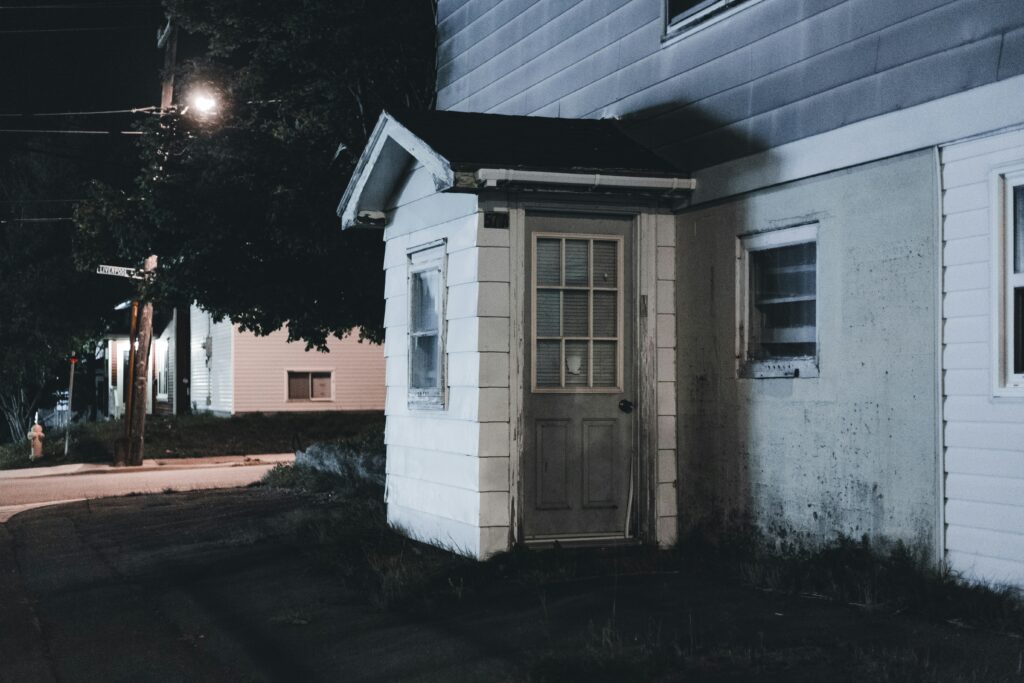
Before anyone walks through the front door, they’re already making judgments. That first look matters. Overgrown grass, chipped paint, or a tired looking porch can make your home feel neglected before buyers even step inside.
Start simple: mow the lawn, edge the sidewalk, trim back anything that’s trying too hard to grow. Wipe down the front door. Sweep the porch. These things take a weekend afternoon, max, and instantly lift the home’s vibe.
If you’ve got cash for just one project, slap a fresh coat of paint on that front door go bold if your exterior is neutral. Add a bag or two of mulch around bushes or flower beds. Maybe add a potted plant from the bargain section. It’s a low cost combo but makes the entrance look cared for and intentional.
That’s the goal here: make people think, “If the outside looks this good, the inside must be even better.”
Declutter Like a Pro
When it comes to staging a home that moves quickly on the market, clutter is your worst enemy. Clear off countertops, shelves, and desks. Make floors visible. Overstuffed closets? Empty half of them so they feel more spacious. You want buyers thinking, “Wow, there’s room to grow here,” not “Where would I even put my shoes?”
Personal items family photos, quirky collections, expired fridge magnets need to disappear. Toss them in labeled bins and tuck the bins out of sight. This isn’t about erasing your life, just creating space for someone else to picture theirs.
Still drowning in stuff? Rent a small storage unit for a month or two. You’ll spend a little, but the difference it makes in how your home presents is worth it. More space means faster offers. Simple as that.
Rearrange What You Already Have
You don’t need new furniture to make your home feel bigger and more inviting you just need to move it with intention. Open up tight traffic patterns by pulling large pieces away from entry points and walkways. If a room feels crowded, it probably is. Take out anything oversized, duplicate, or rarely used. A lean layout helps buyers imagine their own setup.
Then, give each room a clear purpose. Turn that empty corner into a reading nook with a chair and lamp. Define the edge of a living space with a tidy work from home station. Buyers want to understand how they’d live in the space your job is to give them a blueprint without cluttering it up.
Stick to Neutral Tones

When staging a home, aim for blank slate energy. Buyers walk in and start mentally placing their own couch, their own family photos. That’s harder to do if the walls are bright yellow or the bedding screams personal style. Soft, neutral tones think whites, beiges, light grays help people imagine their life unfolding in the space, not yours.
You don’t need to repaint the whole house either. Focus on high traffic areas. Bedrooms, especially, benefit from a simple white comforter and a pair of cheap but clean looking throw pillows from your nearest discount home store. This isn’t about impressing anyone it’s about not distracting anyone. Clean, classic choices speak louder than loud colors.
For more ways to stage smart without spending big, check out more tips to stage on a budget.
Add Light and the Illusion of It
Lighting plays a powerful role in making a space feel welcoming, open, and spacious. Even the most stylish room will fall flat if it feels dark and uninviting. The good news? You don’t need a renovation budget to brighten things up just a few smart strategies.
Let the Light In
Clean your windows thoroughly to maximize natural light
Pull back heavy drapes or swap them for sheer curtains
Avoid blocking windows with furniture or decor
Use Mirrors to Your Advantage
Place mirrors across from windows to reflect incoming light
Hang mirrors in darker corners to add depth and brightness
Choose styles that match your staging theme (minimalist, modern, rustic, etc.)
Brighten with Better Bulbs
Replace dim or outdated bulbs with higher wattage or daylight LEDs
Use consistent color temperatures (e.g., all warm or all cool tones) to create visual harmony
Add affordable floor or table lamps in rooms that feel shadowy
Small tweaks to your lighting can have a big impact and they won’t break the bank.
Accessorize Smart
You don’t need designer décor to make a space feel inviting. A few inexpensive art prints, a thrifted vase or two, and strategically placed faux greenery can add instant warmth without draining your wallet. These small touches make a room feel finished not fussy.
If your own stash is low, borrow from friends or family. A lamp, a throw blanket, even a set of coffee table books can do the trick. Don’t overdo it. A couple of well placed items say more than clutter ever could.
The goal is simple: make every room feel livable and put together, not overly styled. Minimal, intentional, and warm wins every time.
Clean Like You Mean It
If your home doesn’t sparkle, it doesn’t sell. Buyers notice grime, even if it’s subtle. That means every floorboard, bathroom tile, and kitchen surface needs to be spotless. Focus especially on high touch zones: light switches, faucet handles, cabinet pulls. These aren’t just cleaning details they’re trust signals.
Smells are a dealbreaker. Whether it’s pets, last week’s curry, or just stale air, you’ve got to neutralize it fast. Open windows, run fans, scrub problem areas, and use odor absorbers where necessary. Mold and mildew in a bathroom? That’s an instant red flag. Handle it.
Don’t think you need a pro cleaner or a huge budget to get results. DIY solutions like vinegar, baking soda, and lemon work surprisingly well. A bit of elbow grease can match expensive services if you’re thorough. This is one corner you don’t cut.
Final Tip: Channel Your Inner Buyer
Before putting your home on the market, take a step back literally. Walk through it as if you’ve never seen it before. Start from the curb and go room by room. What catches your eye first? Is it the dusty vent cover, chipped baseboard, or cluttered coffee table? That’s your checklist.
The goal is to see what a buyer sees. You might love the bold red hallway, but if it screams “repaint me” to someone else, it’s costing you offers. Small things wobbly handles, scuffed paint, crooked frames send signals that a space is tired. Fix them fast. You don’t need a full reno, just a sharp eye and a couple hours of focused clean up.
Not sure where to start or how to stage without spending a fortune? Find more smart, budget friendly tips here: How to Stage on a Budget.
 Jodithina Krueger is the kind of writer who genuinely cannot publish something without checking it twice. Maybe three times. They came to real estate market trends through years of hands-on work rather than theory, which means the things they writes about — Real Estate Market Trends, Home Staging Techniques, Property Investment Strategies, among other areas — are things they has actually tested, questioned, and revised opinions on more than once.
That shows in the work. Jodithina's pieces tend to go a level deeper than most. Not in a way that becomes unreadable, but in a way that makes you realize you'd been missing something important. They has a habit of finding the detail that everybody else glosses over and making it the center of the story — which sounds simple, but takes a rare combination of curiosity and patience to pull off consistently. The writing never feels rushed. It feels like someone who sat with the subject long enough to actually understand it.
Outside of specific topics, what Jodithina cares about most is whether the reader walks away with something useful. Not impressed. Not entertained. Useful. That's a harder bar to clear than it sounds, and they clears it more often than not — which is why readers tend to remember Jodithina's articles long after they've forgotten the headline.
Jodithina Krueger is the kind of writer who genuinely cannot publish something without checking it twice. Maybe three times. They came to real estate market trends through years of hands-on work rather than theory, which means the things they writes about — Real Estate Market Trends, Home Staging Techniques, Property Investment Strategies, among other areas — are things they has actually tested, questioned, and revised opinions on more than once.
That shows in the work. Jodithina's pieces tend to go a level deeper than most. Not in a way that becomes unreadable, but in a way that makes you realize you'd been missing something important. They has a habit of finding the detail that everybody else glosses over and making it the center of the story — which sounds simple, but takes a rare combination of curiosity and patience to pull off consistently. The writing never feels rushed. It feels like someone who sat with the subject long enough to actually understand it.
Outside of specific topics, what Jodithina cares about most is whether the reader walks away with something useful. Not impressed. Not entertained. Useful. That's a harder bar to clear than it sounds, and they clears it more often than not — which is why readers tend to remember Jodithina's articles long after they've forgotten the headline.