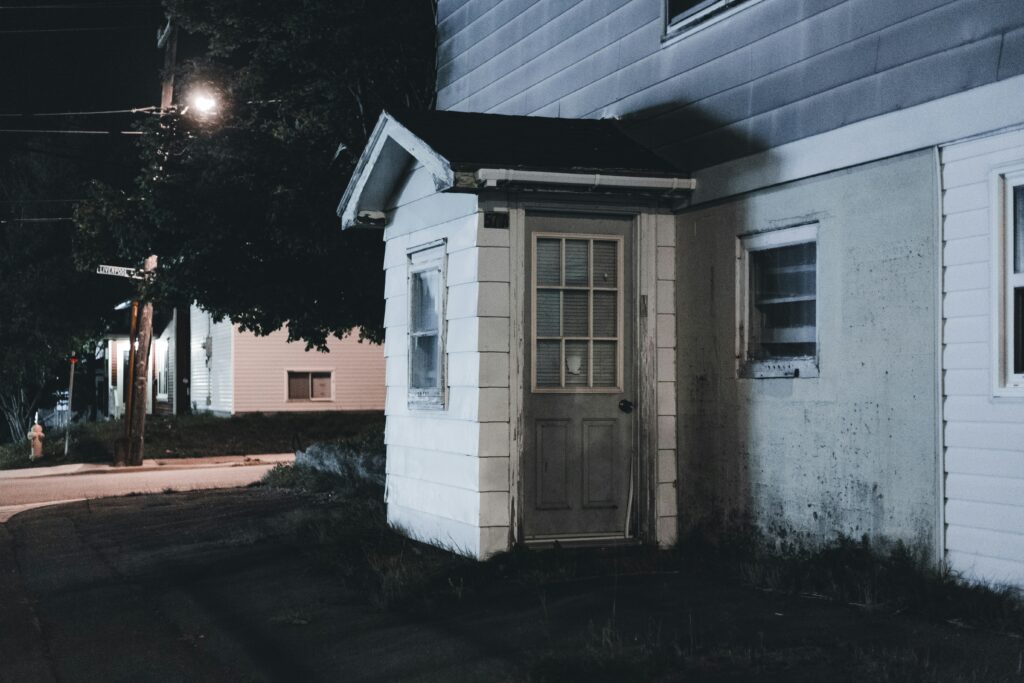

Unexpected problems can arise, even in the most well-maintained homes. A broken water heater, a leaking roof, or an electrical failure rarely comes with warning. For homeowners, these unexpected repair costs can disrupt budgets, delay other projects, and create unnecessary stress.
Preparing for these moments doesn’t eliminate them, but it does create more stability when they arise. With a thoughtful approach and a few reliable strategies, homeowners can handle sudden expenses without feeling overwhelmed.
Spotting Problems Before They Grow
The best way to reduce surprise repair bills is to catch small issues early. Many major repairs begin as minor signs: a faint drip, a flickering light, or unusual noises within walls. Regular walkthroughs help homeowners stay proactive rather than reactive.
Paying attention to subtle changes in the home’s structure or performance can prevent a minor maintenance need from becoming an expensive fix. Creating a seasonal inspection routine also brings structure to this process.
You can also keep a simple notebook or digital log of any minor issues you notice. Tracking small changes over time makes it easier to identify patterns that might signal a developing repair problem.
Building a Practical Home Repair Fund
Setting aside money specifically for home repairs is one of the strongest ways to stay financially prepared. While every household budget is different, even a modest fund can make sudden repairs more manageable.
Some homeowners prefer automatically transferring a small amount into a separate savings account each month. This approach gradually builds a cushion while keeping funds out of sight, helping curb the temptation to spend them elsewhere. The aim isn’t perfection—it’s creating enough flexibility to ease financial pressure when unexpected repairs arise.
Using Helpful Financial Tools for Larger Repair Bills
Some home repairs can exceed the amount a homeowner has saved. Water damage, structural problems, HVAC failure, or appliance replacement may require more substantial funds. In these cases, exploring flexible financial tools can be a practical solution.
For instance, some homeowners turn to loans like ace cash express when urgent repairs exceed their available funds. These short-term lending options can quickly bridge a financial gap, allowing critical work, like a leaky roof or broken furnace, to be addressed without delay. While such tools should be used thoughtfully and with full awareness of terms and costs, they can provide valuable support when time-sensitive repairs cannot wait.
Prioritizing Repairs Without Guesswork
When homeowners face multiple issues at once, it can be difficult to decide which repairs should come first. Creating a simple prioritization system helps reduce panic and clarify next steps.
Consider sorting repairs into the following categories:
- Safety risks: Exposed wiring, gas leaks, structural damage,
- Active damage: Leaks, mold, broken pipes,
- Comfort issues: Heating or cooling malfunctions,
- Cosmetic repairs: Paint, trim, decorative fixes.
This method ensures urgent problems receive immediate attention, while manageable tasks can be scheduled for later.
Comparing Quotes and Choosing Contractors Wisely
Hiring the right professional can save money and prevent future issues. While homeowners often feel rushed during emergencies, taking a moment to compare quotes helps prevent overspending. Checking customer reviews, service warranties, and response times can guide better decision-making.
Some contractors offer maintenance plans or annual service packages, which may reduce costs over time. Even during stressful repair situations, choosing carefully pays off. Taking the time to ask about materials, techniques, and expected timelines also ensures the job is done correctly the first time. Additionally, clear communication about costs and expectations can prevent misunderstandings and keep the project on budget.
Cutting Future Costs With Preventative Maintenance
Small maintenance tasks can significantly extend the life of home systems. While it may feel time-consuming, preventative care is far more affordable than major repairs. Homeowners can benefit from simple, consistent tasks such as cleaning gutters to prevent roof damage, replacing air filters regularly, and checking weather stripping around windows and doors.
Regularly inspecting plumbing and HVAC systems can also catch minor issues before they escalate. These small efforts often delay expensive repair scenarios, improve energy efficiency, and keep the home running smoothly.
Balancing DIY Efforts With Professional Help
Some repairs are safe and manageable for homeowners to do themselves, while others require a trained specialist. Knowing the difference saves both money and stress.DIY-friendly tasks can be anything from fixing minor leaks under sinks, to replacing simple fixtures or painting interior walls.
However, electrical issues, roof repairs, structural concerns, and complex plumbing should always be handled by professionals. Attempting these tasks without expertise can create more damage and higher costs.
How Insurance Plays a Role in Repair Costs
Homeowners’ insurance may cover certain unexpected repairs, depending on the policy and cause of the damage. Filing a claim is not always necessary, but it is helpful for large-scale problems such as storm damage, burst pipes or fire-related issues.
Before filing, homeowners should evaluate the deductible, the scope of coverage, and the long-term effect on premiums. Insurance can be highly valuable, but it’s important to understand when to use it and when an out-of-pocket approach may be more practical.
Preparing for Sudden Repairs
Unexpected repair costs can disrupt home plans and strain monthly budgets, but having a structured approach helps keep everything on track. Creating a simple repair strategy ensures homeowners can respond quickly when issues arise.
This can include maintaining a dedicated savings fund, keeping a list of reliable contractors, and being aware of available financial tools. Homeownership always brings occasional surprises, and a proactive, organized plan allows these situations to be managed efficiently without causing major disruptions to daily routines.
Creating Stability Through Prepared Planning
Unplanned repair costs will always be a part of homeownership, but financial strain doesn’t have to be. With a repair fund, preventative care, smart prioritization, and thoughtful use of financial tools, homeowners can navigate surprise issues with far greater ease.
Taking small, consistent steps today creates peace of mind tomorrow. This ensures that the home remains both functional and comfortable, even when unexpected repairs arise.
 Ask Zyvaris Velthorne how they got into real estate market trends and you'll probably get a longer answer than you expected. The short version: Zyvaris started doing it, got genuinely hooked, and at some point realized they had accumulated enough hard-won knowledge that it would be a waste not to share it. So they started writing.
What makes Zyvaris worth reading is that they skips the obvious stuff. Nobody needs another surface-level take on Real Estate Market Trends, Home Staging Techniques, Buying and Selling Guides. What readers actually want is the nuance — the part that only becomes clear after you've made a few mistakes and figured out why. That's the territory Zyvaris operates in. The writing is direct, occasionally blunt, and always built around what's actually true rather than what sounds good in an article. They has little patience for filler, which means they's pieces tend to be denser with real information than the average post on the same subject.
Zyvaris doesn't write to impress anyone. They writes because they has things to say that they genuinely thinks people should hear. That motivation — basic as it sounds — produces something noticeably different from content written for clicks or word count. Readers pick up on it. The comments on Zyvaris's work tend to reflect that.
Ask Zyvaris Velthorne how they got into real estate market trends and you'll probably get a longer answer than you expected. The short version: Zyvaris started doing it, got genuinely hooked, and at some point realized they had accumulated enough hard-won knowledge that it would be a waste not to share it. So they started writing.
What makes Zyvaris worth reading is that they skips the obvious stuff. Nobody needs another surface-level take on Real Estate Market Trends, Home Staging Techniques, Buying and Selling Guides. What readers actually want is the nuance — the part that only becomes clear after you've made a few mistakes and figured out why. That's the territory Zyvaris operates in. The writing is direct, occasionally blunt, and always built around what's actually true rather than what sounds good in an article. They has little patience for filler, which means they's pieces tend to be denser with real information than the average post on the same subject.
Zyvaris doesn't write to impress anyone. They writes because they has things to say that they genuinely thinks people should hear. That motivation — basic as it sounds — produces something noticeably different from content written for clicks or word count. Readers pick up on it. The comments on Zyvaris's work tend to reflect that.