
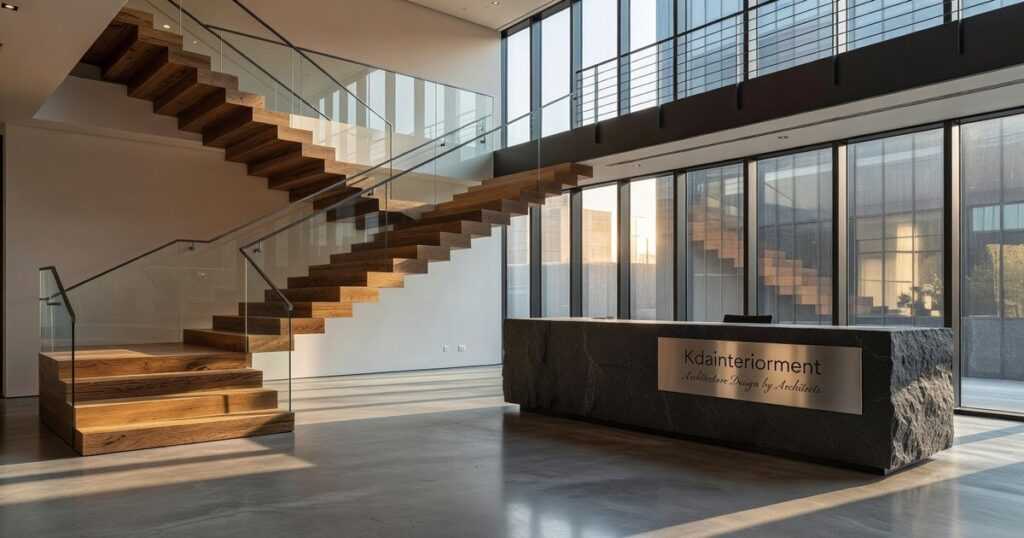
I’ve spent over twenty years watching people confuse decorating with what architects actually do when they design a space.
You walk into a room and feel something. Maybe it’s calm. Maybe it’s energizing. That’s not accident and it’s not just about picking the right couch.
KDA Interiorment architecture design by architects works differently than what most people call interior design. We’re talking about volume, light, and structure. The bones of a space.
Here’s the thing: most people don’t know what they’re looking at when they see good spatial design. They just know it feels right.
I’m going to show you what architects see when we look at a space. Not surface stuff. The framework that makes a room work or fall flat.
This comes from two decades of transforming properties in Westborough and beyond. I’ve seen what adds real value and what’s just pretty wallpaper over poor planning.
You’ll learn to spot the difference between decoration and design. Between a room that looks good in photos and one that actually functions for how you live.
By the end, you’ll understand the principles that separate amateur enthusiasm from real knowledge about how spaces work.
No fluff about trends. Just the core elements that make or break a space.
Defining the Difference: Interior Architecture vs. Interior Design
Most people use these terms like they mean the same thing.
They don’t.
I see this confusion all the time here in Westborough. Someone calls asking for help with their living room and they’re not sure who they actually need.
Let me break it down.
Interior design is about the stuff you see and touch every day. Paint colors. Furniture placement. The fabric on your couch. Nathan with VIP Realty states, Interior design is about the stuff you see and touch every day. It’s choosing the right rug that ties the room together (yes, that’s a real thing).
Interior architecture? That’s different.
We’re talking about the bones of your space. The walls you might tear down. The ceiling height you want to change. How people actually move through a room and whether that flow makes sense.
Think of it this way. A designer picks out the perfect outfit for you. But an architect makes sure you’ve got a strong skeleton and healthy body to wear it well.
When I walk into a space, I notice things most people don’t see. The way light falls across a room at different times of day. How sound bounces off hard surfaces. The temperature shifts when you move from one area to another.
That’s what kdainteriorment architecture design by architects focuses on.
Here’s what we actually work with:
- Structural walls and load-bearing elements
- Ceiling configurations and height modifications
- Circulation patterns and traffic flow
- Building systems like HVAC and electrical integration
Some people say you don’t need an architect for interior work. Just hire a designer and save money.
But here’s what they miss. If you want to change how a space actually functions, you need someone who understands structure. A designer can make an awkward room look better. An architect can make it stop being awkward.
The Four Hallmarks of an Architect-Led Interior
You walk into a home and something feels different.
You can’t quite put your finger on it at first. But the space just works in a way most homes don’t.
That’s not an accident.
When architects design interiors, they think differently than decorators. I’m not saying one is better than the other (though some people will argue that all day). I’m saying the approach is fundamentally different. In exploring the intricate world of game design, one might realize that just as architects approach Kdainteriorment with a focus on structural integrity and functionality, so too do game developers weave immersive environments that serve both narrative and gameplay. In exploring the intricate world of game design, one might realize that just as architects focus on the fundamental structure of a space—what I like to call “Kdainteriorment”—game developers meticulously craft environments that enhance gameplay and immerse players in a vivid narrative.
Here’s what I’ve noticed after years in this business.
The Mastery of Light and Shadow
Architects don’t just light a room. They sculpt with it.
I mean that literally. They’ll knock out a wall to add a window where you’d never expect one. They’ll cut skylights that track the sun across your kitchen counter at exactly 7 AM.
The artificial lighting? It’s built into the architecture itself. Recessed into soffits. Hidden in millwork. Creating pools of light that define where you eat versus where you relax.
Most people just screw in a ceiling fixture and call it done. Architects see light as a material (like wood or stone) that shapes how you experience every single room.
A Cohesive and Considered Material Palette
Walk through an architect-designed home and you’ll see the same white oak in three different rooms. The same honed marble. The same blackened steel.
It’s not boring. It’s intentional. We break this down even more in What to Learn About Architecture Kdainteriorment.
Instead of using twelve different materials, kdainteriorment architecture design by architects focuses on maybe four or five high-quality ones. They repeat throughout the property in different applications.
Your kitchen island marble? It shows up as your bathroom vanity. The living room wood paneling? That’s the same species as your bedroom flooring.
This creates something I call visual rest. Your eye isn’t jumping around trying to process constant newness.
Seamless Integration and Custom Millwork
Here’s where you really see the difference.
That bookshelf isn’t furniture. It’s a wall. The storage isn’t a cabinet you bought. It’s built into the structure of the room itself.
I’m talking about kitchen cabinetry that wraps around a corner and becomes your living room media console. Closets that disappear into wall panels. Desks that fold out from what looks like plain millwork.
These aren’t afterthoughts. An architect plans them from the beginning, when they’re still drawing the bones of the space.
Some designers say this approach is too rigid. That it doesn’t allow for flexibility as your needs change. And sure, you can’t just rearrange built-ins like you can move a sofa.
But what you gain is a space that feels complete. Permanent. Like it was always meant to be exactly this way.
A Clear Spatial Narrative
Architects design the journey through your home.
You enter through a compressed foyer (lower ceiling, narrower walls). Then you step into a living room that opens up with double-height ceilings and floor-to-ceiling glass.
That contrast? Planned.
They create sightlines that pull you forward. You stand in the entry and catch a glimpse of the garden through three rooms. You want to walk toward it.
Public spaces flow into each other. Private zones feel separated without needing doors everywhere.
I think we’re going to see more of this kind of spatial storytelling in the next few years. Especially as open floor plans start to feel too exposed (people are craving some definition again after spending so much time at home).
The best architect-led interiors don’t announce themselves. They just feel right in ways you might not even consciously notice.
And that’s exactly the point.
The Architect’s Process: From Concept to Construction

Most people think architects just make things look pretty.
They pick out paint colors and show you fancy renderings, right?
Wrong.
When I work with clients here in Westborough, the first thing I tell them is this. We’re not starting with aesthetics. We’re starting with how you actually LIVE in the space. In my approach to designing immersive gaming environments, I emphasize that before diving into the aesthetics, we must first establish the functional foundation through detailed Architecture Plans Kdainteriorment that align with how players truly engage with the space. …understand the intricacies of daily life and user interaction, which is why I always emphasize that the foundation of our design should be rooted in comprehensive Architecture Plans Kdainteriorment that reflect both functionality and personal experience.
Some designers will argue that you should lead with the visual concept. Get everyone excited about the look first, then figure out the practical stuff later. They say inspiration drives the best work.
But here’s what happens when you do that.
You end up with a beautiful room that doesn’t work. A kitchen where the fridge is too far from the prep area. A living room where the furniture layout feels off no matter what you try.
I’ve seen it too many times.
Phase 1 is about deep analysis. Before we talk finishes or fixtures, I need to understand your patterns. How do you move through your day? Where does traffic naturally flow? What are the structural realities we’re working with?
This is where kdainteriorment architecture design by architects separates from basic decorating. We create floor plans that solve real problems.
You get spaces that actually function the way you need them to.
Phase 2 is where precision matters. Every material choice affects durability and maintenance (not just appearance). Every custom element needs technical drawings so builders know exactly what to create. I’m talking about door frame profiles, outlet locations, the height of that built-in shelf.
The benefit? No surprises during construction. No “we can’t do that” conversations halfway through the project.
Phase 3 brings it all together on site. I work directly with your contractors and craftspeople. When issues come up, and they always do, we solve them without losing the core vision.
You can find more guidance on this at building advice kdainteriorment.
This collaborative approach means your project stays on track. The design you approved is the design you get.
The Tangible Value: Why Architectural Interiors are a Smarter Investment
Let me paint you two pictures.
Picture one: You hire a decorator. They pick trendy colors, add some statement pieces, maybe throw in a gallery wall. It looks great on Instagram. Six months later, those trends feel dated.
Picture two: You work with an architect on your interior. They redesign the flow, choose materials that’ll last decades, build in storage that actually makes sense for how you live.
Which one do you think adds more value to your home?
I’ll be straight with you. Most people think interior design is just about making things look nice. And sure, some designers will tell you that’s enough. They’ll say a fresh coat of paint and new furniture is all you need.
But that’s not the whole story.
When you invest in architecture plans kdainteriorment brings to the table, you’re getting something different. You’re working with someone who understands structure, proportion, and how spaces actually function over time.
Here’s what that means for your wallet. We explore this concept further in How Architecture Has Changed over Time Kdainteriorment.
A well-designed space sells faster and commands a higher price. Real estate agents in Westborough will tell you the same thing. Buyers pay more for homes with thoughtful layouts and quality materials. They can see the difference.
But there’s another side to this that most people overlook.
Living in a space designed around your actual life? That pays dividends every single day. You’re not fighting with awkward layouts or wasting time looking for things. Your space works with you instead of against you. To truly enhance your gaming experience and create an environment that fosters creativity and comfort, following insightful Building Advice Kdainteriorment can transform your space into a harmonious sanctuary that aligns perfectly with your lifestyle. To elevate your gaming experience and cultivate a space that enhances creativity, consider the invaluable insights offered by Building Advice Kdainteriorment, which emphasizes the importance of designing a home that harmonizes with your lifestyle.
That’s the real return on investment with kdainteriorment architecture design by architects.
Seeing Your Space Through an Architect’s Eyes
I founded KDA Interiorment because I kept seeing the same mistake.
People confuse decoration with architecture design by architects. They think a fresh coat of paint and new furniture solve everything.
They don’t.
You came here to understand the difference between surface fixes and real structural thinking. Now you can spot it.
The confusion costs you. Properties get undervalued because owners miss what’s actually there. Spaces sit underutilized because no one sees their potential.
Here’s what separates decorator work from architecture design by architects: light, material, integration, and flow. These aren’t buzzwords. They’re the bones of a space that works.
When you understand these elements, you make better decisions. Whether you’re living in the space or investing in it.
Look at your current home differently. Or that property you’ve been considering.
Stop focusing on cosmetic appeal alone. Start seeing the architectural soul underneath.
That’s where the real potential lives. And that’s what most people walk right past.
Your next step is simple: evaluate spaces for their structural intelligence, not just their style. The properties with both are the ones worth your attention.
 Ask Zyvaris Velthorne how they got into real estate market trends and you'll probably get a longer answer than you expected. The short version: Zyvaris started doing it, got genuinely hooked, and at some point realized they had accumulated enough hard-won knowledge that it would be a waste not to share it. So they started writing.
What makes Zyvaris worth reading is that they skips the obvious stuff. Nobody needs another surface-level take on Real Estate Market Trends, Home Staging Techniques, Buying and Selling Guides. What readers actually want is the nuance — the part that only becomes clear after you've made a few mistakes and figured out why. That's the territory Zyvaris operates in. The writing is direct, occasionally blunt, and always built around what's actually true rather than what sounds good in an article. They has little patience for filler, which means they's pieces tend to be denser with real information than the average post on the same subject.
Zyvaris doesn't write to impress anyone. They writes because they has things to say that they genuinely thinks people should hear. That motivation — basic as it sounds — produces something noticeably different from content written for clicks or word count. Readers pick up on it. The comments on Zyvaris's work tend to reflect that.
Ask Zyvaris Velthorne how they got into real estate market trends and you'll probably get a longer answer than you expected. The short version: Zyvaris started doing it, got genuinely hooked, and at some point realized they had accumulated enough hard-won knowledge that it would be a waste not to share it. So they started writing.
What makes Zyvaris worth reading is that they skips the obvious stuff. Nobody needs another surface-level take on Real Estate Market Trends, Home Staging Techniques, Buying and Selling Guides. What readers actually want is the nuance — the part that only becomes clear after you've made a few mistakes and figured out why. That's the territory Zyvaris operates in. The writing is direct, occasionally blunt, and always built around what's actually true rather than what sounds good in an article. They has little patience for filler, which means they's pieces tend to be denser with real information than the average post on the same subject.
Zyvaris doesn't write to impress anyone. They writes because they has things to say that they genuinely thinks people should hear. That motivation — basic as it sounds — produces something noticeably different from content written for clicks or word count. Readers pick up on it. The comments on Zyvaris's work tend to reflect that.