Design That Learns How You Live
In smart homes, the design isn’t just about appearance it adapts. Materials now react to temperature, lighting, and even user behavior. Think fabrics that cool down under pressure, surfaces that self heal, and walls that subtly reconfigure to match your daily movement.
Furniture placement is guided less by guesswork and more by data. AI tools analyze how a space is used where sunlight falls, where people gather and optimize layouts accordingly. No more wasted corners or awkward energy flow. Adaptive lighting also plays its part, shifting tone and brightness throughout the day to support focus or relaxation without you having to think about it.
But all of this is quiet tech. There’s no shouting. The aim is to keep the space clean, calm, and purposeful. It’s about integrating high function without visual noise. You won’t see clutter. You’ll just feel like everything’s in its right place.
Colors Go Bolder, But Smarter
In 2026, color in interior design steps away from safe neutrals and ventures into a territory that’s equal parts bold and thoughtful. This isn’t just about standing out it’s about connecting emotionally to the spaces we live in.
Deep Earth Tones with a Twist
Rich, grounding colors are taking the lead, with deeper hues like terracotta, olive green, and burnt umber creating warmth and authenticity. But designers aren’t stopping there.
Unexpected accent pairings like earthy browns with teal or mustard add sharp dimension
Monochromatic palettes are evolving to include layered tones for visual richness
Think tones that feel connected to the landscape, but elevated with contrast
Matte Over Glossy
The shine is coming off interiors literally. Matte finishes are becoming the preferred choice for everything from wall paint to hardware and cabinetry.
Matte surfaces create a calm, understated luxury
Less reflective light leads to a more relaxing space
Great for creating depth and texture on both large and small surfaces
The Emotional Impact of Color Psychology
Color isn’t just aesthetic it has purpose. In modern interiors, homeowners and designers alike are tapping into how colors make people feel, and using that strategically.
Blues and greens promote calmness and mental clarity (ideal for workspaces or bedrooms)
Rich tones like burgundy and amber evoke intimacy and focus (perfect for lounges or creative spaces)
Yellows and soft reds stimulate energy without overwhelming
Tip: Think about how you want a room to feel before you choose how it should look. The right color combination doesn’t just improve a space it transforms the way you live in it.
Biophilia 2.0
Nature isn’t just coming inside it’s being stitched directly into the way we live. The once clear line between indoors and outdoors is dissolving. Think retractable glass walls, seamless thresholds, and materials that look and feel the same whether you’re on the patio or curled up inside. It’s not about pretending you’re outside; it’s about designing so that there’s almost no distinction. The goal? Flow.
Vertical gardens, plant walls, and sculptural greenery aren’t just embellishments anymore they’re becoming architectural elements. Living room backdrops are sprouting moss walls. Kitchens grow their own herbs. Bathrooms bloom. Smart irrigation and modular systems make it work in high rise apartments just as well as suburban homes.
And sustainability is getting sharper. Bamboo, cork, hempcrete these once niche materials are going mainstream because they grow fast, perform well, and have real aesthetic flexibility. This isn’t your grandmother’s idea of eco friendly. It’s sleek, current, and grounded in thinking ahead.
Biophilia in 2026 isn’t just about plants it’s about a living system that breathes with you, works with how you move through space, and reminds you that your space is part of something much bigger.
Reclaimed, Repurposed, and Refined
What was once scrapped is now center stage. Recycled décor has ditched its dusty, DIY image and is stepping into the spotlight with polish. Think vintage light fixtures rewired with modern LEDs, reclaimed hardwood turned into sleek tabletops, and antique ceramics styled like art. The idea isn’t just about reducing waste it’s about finding soul in objects with history.
Luxury no longer means brand new. It means curated. Homeowners and designers are turning to materials with patina, pieces with stories, and artisans who understand how to recast old into better than new. It’s where craftsmanship meets consciousness. And it’s changing the very language of what we call “modern interiors.”
Curation is the pivot here. Instead of overfilling a space with trend driven buys, the move is toward fewer pieces, more meaning. That one standout chair. The aged mirror with character. The choice to edit instead of accumulate. In 2026, beauty is in the reuse and the restraint.
Multifunctional Spaces, Not Just Tiny Living
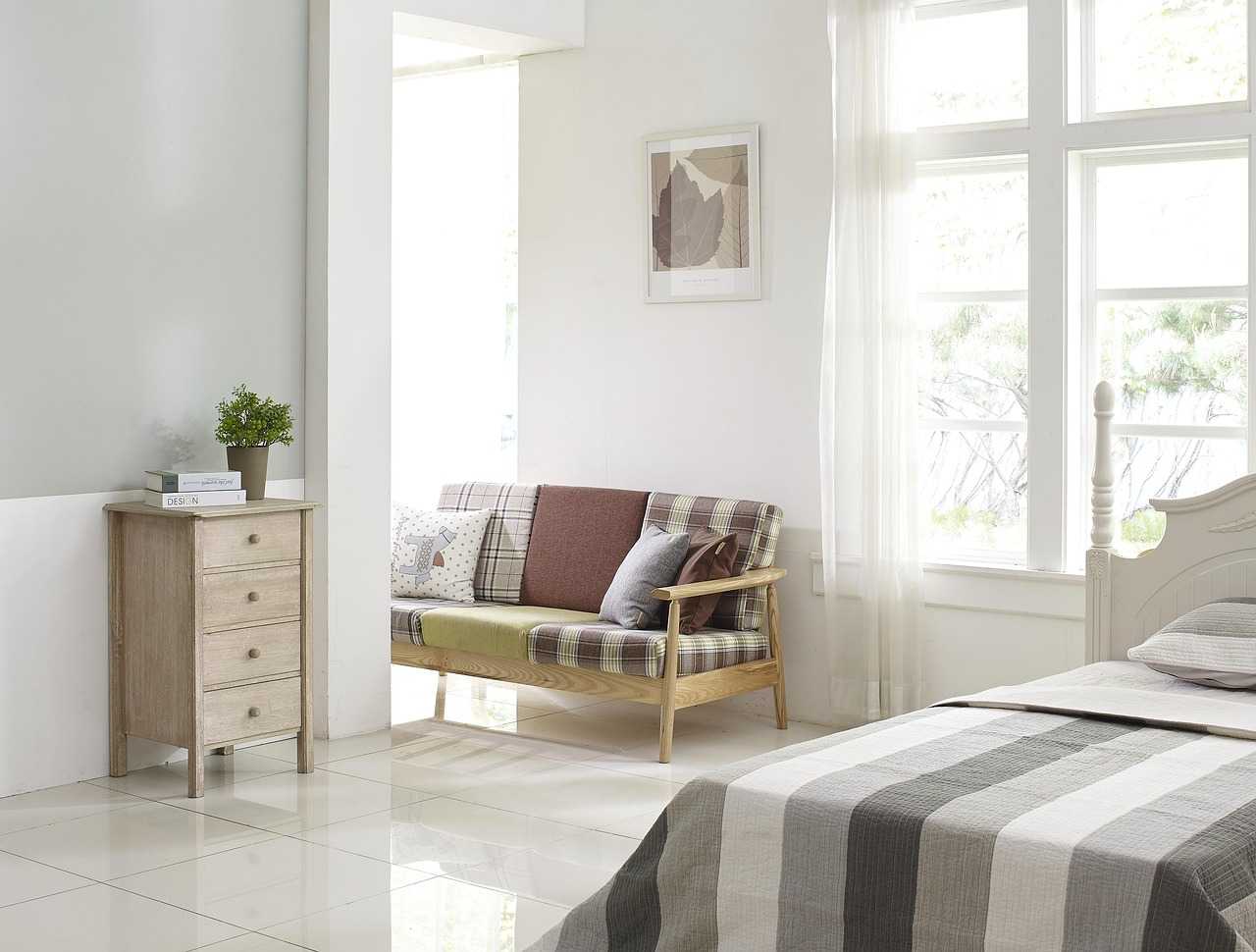
Home isn’t just home anymore it’s also the office, the gym, sometimes a classroom or a retreat. The trend in 2026 is clear: spatial flexibility is now a core feature, not a luxury. Rooms are getting smarter without tech; it’s more about design that shifts with your day. Think: a sleek Murphy bed that reveals a standing desk by day, or a living room that turns into a weight training zone with a slide of the coffee table.
Movable walls and modular furniture are doing more than saving space they’re redefining how space behaves. Sliding partitions, expanding tables, foldaway storage these are less gimmick, more survival tactic for modern living. What used to be open concept is now zone sensitive. There’s an art to carving out a quiet corner without boxing in energy.
Designers are no longer asking, “What’s this room for?” The better question is, “What could it be next?” That’s the real future of zoning: interiors built to flow, morph, and serve multiple lives over the course of a single day.
Texture Play as the New Minimalism
Minimalism isn’t about white rooms and sharp edges anymore. In 2026, it’s getting a tactile upgrade. Designers are layering soft knits with coarse stone, pairing matte clay pieces with sleek metal finishes all in the same room. Texture is the new visual anchor. It keeps things simple, but not sterile.
Textiles are pulling a lot of weight here. Think heavy looped rugs, gauzy curtains, raw linens. These materials add depth without adding clutter. Instead of filling a space with more things, it’s about tuning into how those few things feel underfoot, to the touch, in ambient texture.
This direction strips away noise while dialing up sensory awareness. Homes become quieter, but more present. You don’t need another accent chair you need a space that feels grounded. This trend does that without shouting about it.
Tech as an Aesthetic, Not a Distraction
Smart home tech doesn’t need to scream for attention. The best designs now treat technology like oxygen vital, present, but invisible. Homes in 2026 are ditching bulky devices and control panels in favor of seamless integrations. Think voice activated systems tucked inside cabinetry or sensors hidden in custom millwork. Everything works quietly in the background, anticipating needs without showing off.
Screens are going ambient disappearing into mirrors, walls, or blending into decor with matte finishes that cut glare and visual noise. Lighting systems are smarter, too. They shift tone and warmth through the day, responding not just to time but to mood. Want focus lighting at 10 a.m.? Chill haze at 9 p.m.? You’ve got it, no manual switch required. This philosophy of invisible utility extends to mobility as well, where a sleek home elevator can be integrated into the architecture so flawlessly that it feels like a natural extension of the room rather than a mechanical addition. For those prioritizing luxury and accessibility in the Sunshine State, Florida home elevators are becoming the ultimate “quiet tech” feature, offering a smooth and sophisticated way to navigate multi-story coastal living without disrupting the home’s modern aesthetic.
The style isn’t sci fi. It’s future forward without crossing into cold tech lab territory. Layers of wood, brushed metal accents, and muted textures soften the digital edges. It’s not about showcasing gadgets. It’s about making them almost forgettable because that’s when they work best.
Stay Ahead of the Curve
Staying current with interior trends doesn’t always mean starting from scratch. Many early adopters are already weaving elements of 2025’s standout styles into their evolving aesthetics, creating a fresh but familiar approach to home design.
Blending the Best of 2025
Forward thinking designers are pulling inspiration from recent years and giving it new life. Key themes from 2025 continue to resonate:
Soft minimalism with a personalized twist
Bold neutrals layered with expressive accents
Curated comfort through plush textures and personalized layouts
These ideas aren’t outdated they’re a foundation for innovation. The goal? Merge the best of the past with ideas that push the design envelope further.
Trend Meets Timeless
Rather than chasing fleeting styles, the new philosophy revolves around balance. Today’s interiors are:
Mixing 2025 palettes with deeper earth tones
Using modular layouts that evolve with lifestyle shifts
Infusing soulful design into smart homes
By layering new trends over timeless design principles, homeowners are achieving highly livable, visually cohesive interiors.
Want More Design Cues?
Explore how last year’s trends still influence what’s ahead: Modern Design Trends for 2025. You’ll find a rich archive of ideas that are still shaping how people live and design today.
Takeaway: It’s About Intentional Living
Design in 2026 isn’t about filling space it’s about making every inch count. Function doesn’t mean boring, and comfort doesn’t cancel out style. From entryways that double as tech hubs to kitchens that feel like curated lounges, the modern home is getting personal. There’s a quiet confidence in knowing that a space works because it reflects how you actually live.
At the core, the trend is about merging utility with identity. A reading nook isn’t just a chair and a lamp; it’s a daily pause built into your environment. A dining area isn’t just where meals happen it’s where community forms. The design process is dialing into lived experience, not just visual flair. In 2026, the best interiors aren’t just attractive they’re honest.
Your space says something, whether you mean it to or not. Might as well make it say something true.
 Scotty Cregerons writes the kind of buying and selling guides content that people actually send to each other. Not because it's flashy or controversial, but because it's the sort of thing where you read it and immediately think of three people who need to see it. Scotty has a talent for identifying the questions that a lot of people have but haven't quite figured out how to articulate yet — and then answering them properly.
They covers a lot of ground: Buying and Selling Guides, Real Estate Market Trends, Expert Insights, and plenty of adjacent territory that doesn't always get treated with the same seriousness. The consistency across all of it is a certain kind of respect for the reader. Scotty doesn't assume people are stupid, and they doesn't assume they know everything either. They writes for someone who is genuinely trying to figure something out — because that's usually who's actually reading. That assumption shapes everything from how they structures an explanation to how much background they includes before getting to the point.
Beyond the practical stuff, there's something in Scotty's writing that reflects a real investment in the subject — not performed enthusiasm, but the kind of sustained interest that produces insight over time. They has been paying attention to buying and selling guides long enough that they notices things a more casual observer would miss. That depth shows up in the work in ways that are hard to fake.
Scotty Cregerons writes the kind of buying and selling guides content that people actually send to each other. Not because it's flashy or controversial, but because it's the sort of thing where you read it and immediately think of three people who need to see it. Scotty has a talent for identifying the questions that a lot of people have but haven't quite figured out how to articulate yet — and then answering them properly.
They covers a lot of ground: Buying and Selling Guides, Real Estate Market Trends, Expert Insights, and plenty of adjacent territory that doesn't always get treated with the same seriousness. The consistency across all of it is a certain kind of respect for the reader. Scotty doesn't assume people are stupid, and they doesn't assume they know everything either. They writes for someone who is genuinely trying to figure something out — because that's usually who's actually reading. That assumption shapes everything from how they structures an explanation to how much background they includes before getting to the point.
Beyond the practical stuff, there's something in Scotty's writing that reflects a real investment in the subject — not performed enthusiasm, but the kind of sustained interest that produces insight over time. They has been paying attention to buying and selling guides long enough that they notices things a more casual observer would miss. That depth shows up in the work in ways that are hard to fake.